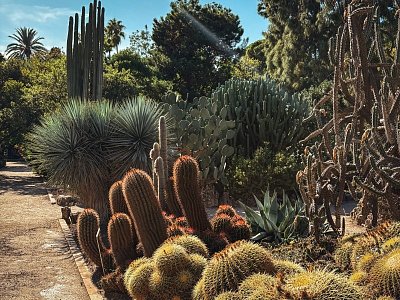
Palm forest in Elche
The Palm Grove of Elche – Spain’s Green Heritage
The Palm Grove of Elche (El Palmeral de Elche) is a unique natural and cultural site located in the city of Elche, in the province of Alicante, southeastern Spain. It is one of the largest palm groves in Europe, with over 200,000 palm trees. More than just a striking element of the local landscape, the palm grove is a UNESCO World Heritage Site since 2000. Its centuries-old history makes it a symbol of resilience, cultural diversity, and harmony between humans and nature.
History
The origins of the palm grove date back to antiquity. The first references to palm trees in the region are from Phoenician times, over 2,500 years ago. However, the grove’s true expansion began during the Arab rule of the Iberian Peninsula from the 8th century. The Moors, known for their advanced agricultural techniques, planted palms to create oases and developed a sophisticated irrigation system that allowed the trees to thrive even in the arid climate.
After the Christian Reconquista in the 13th century, when Elche was retaken, the palm grove continued to develop. Over time, it became an essential part of the city’s agriculture and cultural identity. In 2000, UNESCO recognized its historical and ecological value by adding it to the World Heritage list.
Architecture and Irrigation
The palm grove is organized into plots known as huertos, which are enclosed by walls or hedges. These plots are divided by channels and aqueducts designed to provide regular irrigation. Water is supplied from the Vinalopó River and flows through an intricate network that maintains soil moisture, even in dry conditions. This irrigation system, developed by the Moors, is a unique example of adapting agriculture to a semi-arid environment.
Flora
The dominant species in the Palm Grove of Elche is the date palm (Phoenix dactylifera), which can grow up to 20–30 meters tall and live for 200–300 years. In addition to date palms, the grove also features other trees and shrubs such as pomegranates, figs, and olive trees, all of which are traditionally used in local agriculture. The palm trees help maintain the ecosystem by providing shade and protecting the soil from erosion.
Cultural Significance
The palm grove holds deep cultural importance for the local community. It not only reflects the agricultural traditions and historical legacy of the region but also serves as a setting for key cultural and religious events. One such event is Palm Sunday (Domingo de Ramos), when intricately woven palm branches — known as “Elche palms” — are crafted by local artisans and exported around the world.
Ecological and Economic Importance
The palm grove performs vital ecological functions such as creating a microclimate, preserving biodiversity, and preventing soil erosion. It is home to many species of birds, small mammals, and insects that contribute to the health of the ecosystem through pollination and other natural processes.
Economically, the grove remains valuable. Dates are a significant agricultural product, while palm leaves are used to make woven goods and souvenirs, supporting traditional crafts and the local economy.
Current Status and Conservation
Today, the Palm Grove of Elche is protected at both national and international levels. Its UNESCO World Heritage status has helped draw attention to the need for conservation. Local authorities and environmental organizations are working to preserve the grove, maintain its irrigation systems, and combat threats such as the red palm weevil infestation.
Tourism
The palm grove is a popular tourist attraction. Thousands of visitors come each year to enjoy the beauty of this unique landscape and learn about its history and cultural significance. The Palm Grove Museum (Museo del Palmeral) in Elche offers insights into the grove’s origins, its importance to the local community, and the efforts to protect it today.
The “Palmeral Park” (Parque Municipal Palmeral de Elche) is one of the most visited areas, with walking paths, themed tours, and cultural events including outdoor concerts and theatrical performances.
The Palm Grove of Elche (El Palmeral de Elche) is a rare fusion of natural and cultural heritage. It stands as an example of sustainable agriculture that began over a thousand years ago and highlights humanity’s ability to live in harmony with the environment. Preserving the palm grove is essential not only for the people of Elche but for the world, as a reminder of the importance of respecting and caring for nature for future generations.
Palm forest in Elche photos


Information
How to get there: By any car
Date of visit: November 2023
GPS coordinates: 38.269487, -0.698243
Price: free