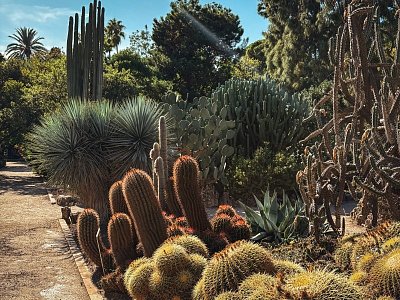
Park Güell
Parc Güell – A Masterpiece of Architecture and Nature in the Heart of Barcelona
Parc Güell is one of the most iconic landmarks in Barcelona, captivating visitors with its unique blend of architectural elements, natural surroundings, and stunning panoramic views of the city. This park, envisioned by the great Catalan architect Antoni Gaudí, is a UNESCO World Heritage Site and a true symbol of creativity and innovation. Located on a hillside in the Gràcia district, Parc Güell offers breathtaking vistas of the city, while its whimsical shapes, vibrant mosaics, and natural integration create a magical environment where art and nature merge in perfect harmony.
History of Parc Güell
The story of Parc Güell began in the early 20th century when entrepreneur Eusebi Güell set out to build an exclusive residential complex on the outskirts of Barcelona. He commissioned architect Antoni Gaudí, known for his imaginative, nature-inspired designs. The idea was to create a utopian garden city that would seamlessly blend with the natural landscape of the hills. However, due to financial difficulties, the project was never completed, and the area was turned into a public park in 1926. This transformation was a gift to the city, and Gaudí's unfinished project remains one of the most groundbreaking achievements in architecture.
Architectural Highlights and Attractions
Parc Güell is filled with extraordinary architectural details that make it a true gem among the world’s great parks. It combines elements of Catalan Modernism, symbolism, and surrealism, with shapes and forms heavily inspired by nature.
- The Dragon Stairway and “El Drac” Lizard: One of the most famous features of the park, this vibrant mosaic-covered staircase leads up to the main terrace. The colorful salamander, often referred to as “The Dragon,” has become an emblem of the park and a popular photo spot.
- The Hypostyle Hall (“Hall of a Hundred Columns”): Originally intended to be a market, this space features 86 columns resembling tree trunks. The ceiling is decorated with mosaic medallions that depict folkloric and natural themes.
- The Main Terrace and Mosaic Bench: One of the most spectacular areas of the park, offering panoramic views of Barcelona and the Mediterranean Sea. The long, undulating bench is adorned with broken tile mosaics in the traditional “trencadís” technique, creating both a comfortable seat and a work of art.
- The Gaudí House Museum: Located within the park, this was Gaudí’s home for the last years of his life. Now open to the public, it showcases his furniture designs, personal belongings, and offers insights into his life and work.
Walking Trails and Visitor Routes
Exploring Parc Güell is like stepping into a dreamlike world crafted by Gaudí. The park features both free-access areas and a Monumental Zone, which requires an entry ticket. Trails wind through mosaic-covered terraces, colonnaded pathways, and scenic viewpoints. Each turn reveals a new perspective of both nature and architecture.
Visitors will find information signs throughout the park, as well as benches for rest. Street musicians and artists often add to the atmosphere, turning your walk into an open-air cultural experience.
Visitor Information
- Location: The park is situated in the Gràcia district on a hillside with panoramic views over Barcelona.
- Entry: Tickets are required to enter the Monumental Zone, which includes the Dragon Stairway, Hypostyle Hall, and Main Terrace. Tickets can be purchased online or at the entrance.
- Opening Hours: Hours vary by season – typically from 8:00 to 21:30 in summer and 8:30 to 18:15 in winter. It is highly recommended to book tickets in advance, especially during the summer, as visitor numbers are limited.
- How to Get There: Take Metro line L3 to Vallcarca or Lesseps stations, then walk or take a local bus. Hop-on hop-off tourist buses also stop near the park.
Parc Güell as a Symbol of Barcelona
Visiting Parc Güell is a must when in Barcelona — it's one of the city's defining landmarks where Gaudí’s creativity comes to life. This park embodies the spirit of innovation, fantasy, and connection with nature, drawing millions of visitors with its breathtaking views, vibrant mosaics, and otherworldly design. Gaudí envisioned a space where architecture and nature could live in harmony, and today, Parc Güell remains an endless source of inspiration and wonder.
Park Güell photos


Information
How to get there: By public transport
Date of visit: June 2024
GPS coordinates: 41.414579, 2.152674
Price: €17 (general), €13 (children and seniors)