
Valencia Botanical Garden
Botanical Garden — an oasis of greenery and tranquillity in the heart of Valencia
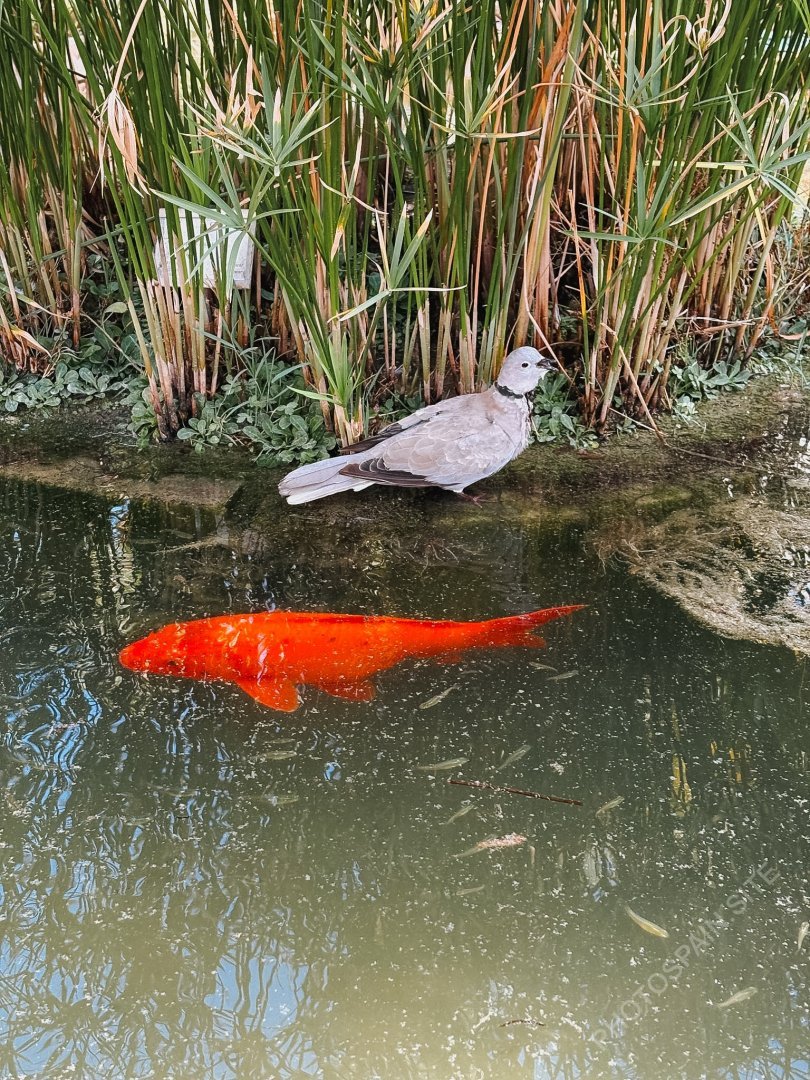
Valencia Botanical Garden is one of those places that is easy to overlook while exploring the city. It is located practically in the historic centre, yet as soon as you pass through its gates, the noise of the streets quickly fades away. Instead of stone façades, there are tall trees, palm trees, cacti, tropical plants and historic greenhouses.
It is much more than an urban park for a stroll. The Jardí Botànic de la Universitat de València is a living museum of plants and, at the same time, a scientific centre of the University of Valencia. Its collections include more than 4,500 plant species, organised into dozens of thematic collections.
History of the garden
Valencia's botanical tradition dates back to the 16th century, when a plot was established at the university to grow medicinal plants for the teaching of medicine.
The present-day botanical garden appeared much later. Its current location dates back to the beginning of the 19th century. Over time, the small teaching garden developed into a fully fledged botanical garden, intended not only for students but also for scientific research and plant conservation.
Today, the garden covers around 4 hectares. Its historic grounds and buildings are recognised as a site of cultural interest and are protected as a historic garden.
What to see in the Botanical Garden
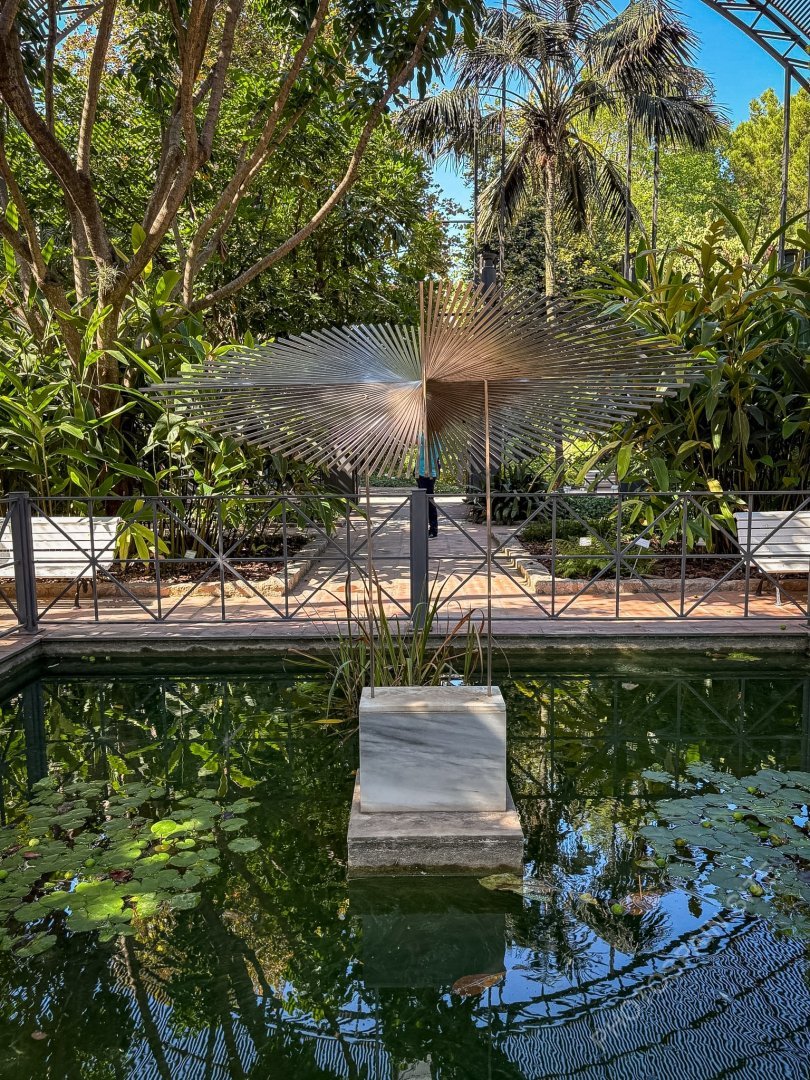
The garden's greatest attraction is its diversity. Despite its relatively small size, you can move between completely different natural environments within just a few minutes.
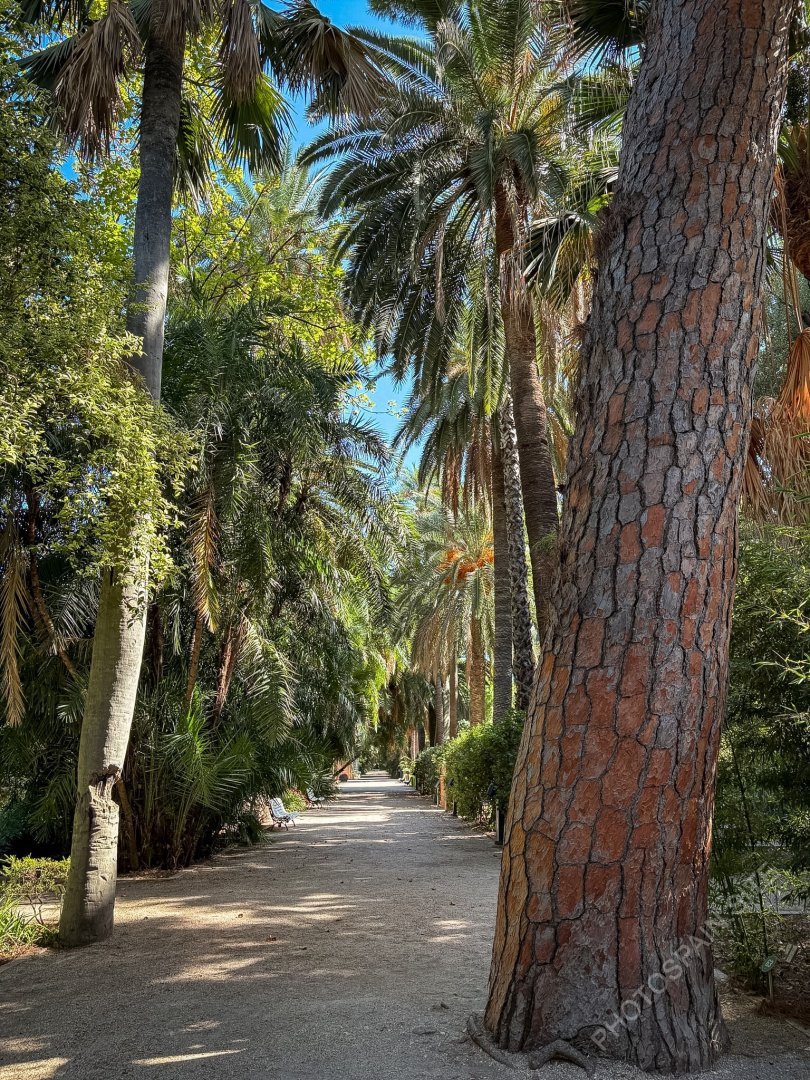
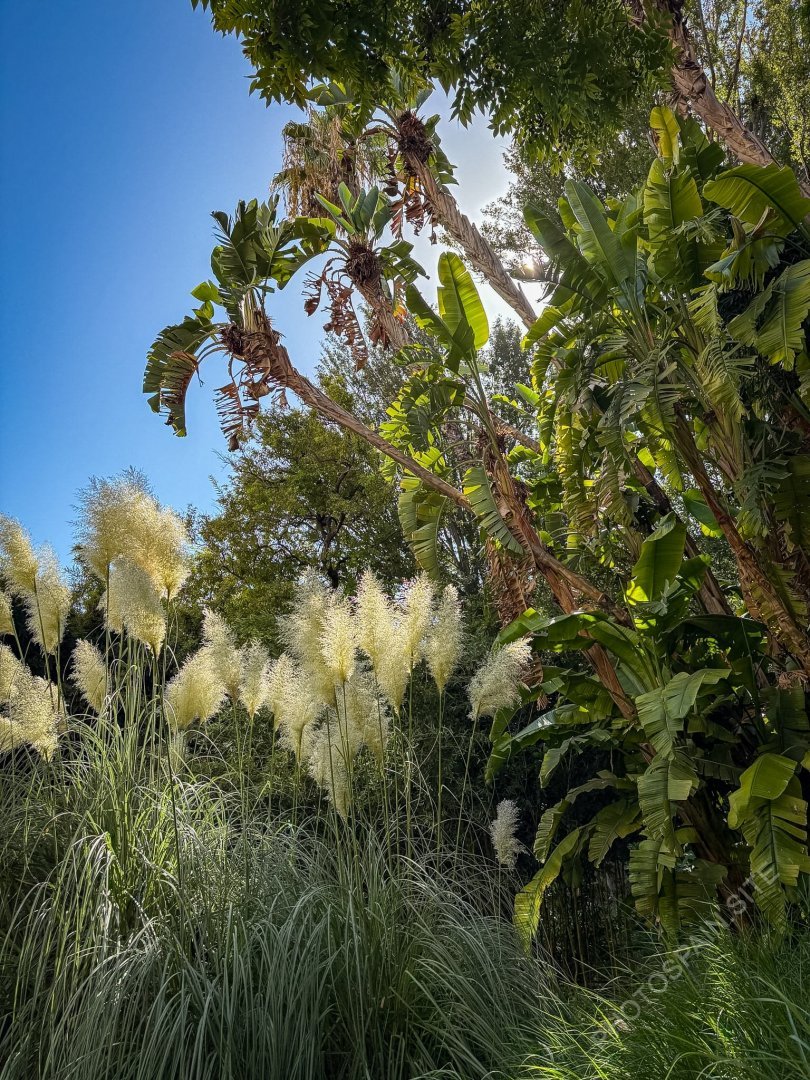
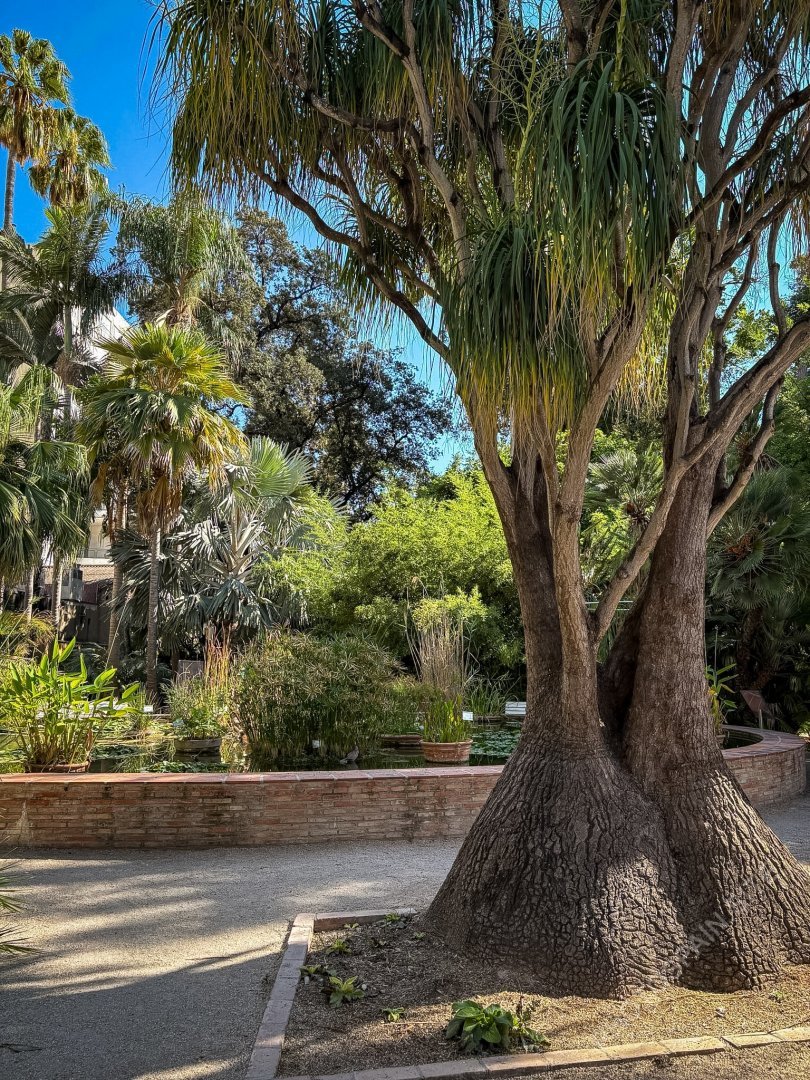
- Palms and Mediterranean plants. Some of the garden's most characteristic inhabitants are palm trees, citrus trees, olive trees and other plants typical of the Mediterranean landscape. Some of the trees are remarkable for their age and size and have themselves become part of the garden's historic heritage.
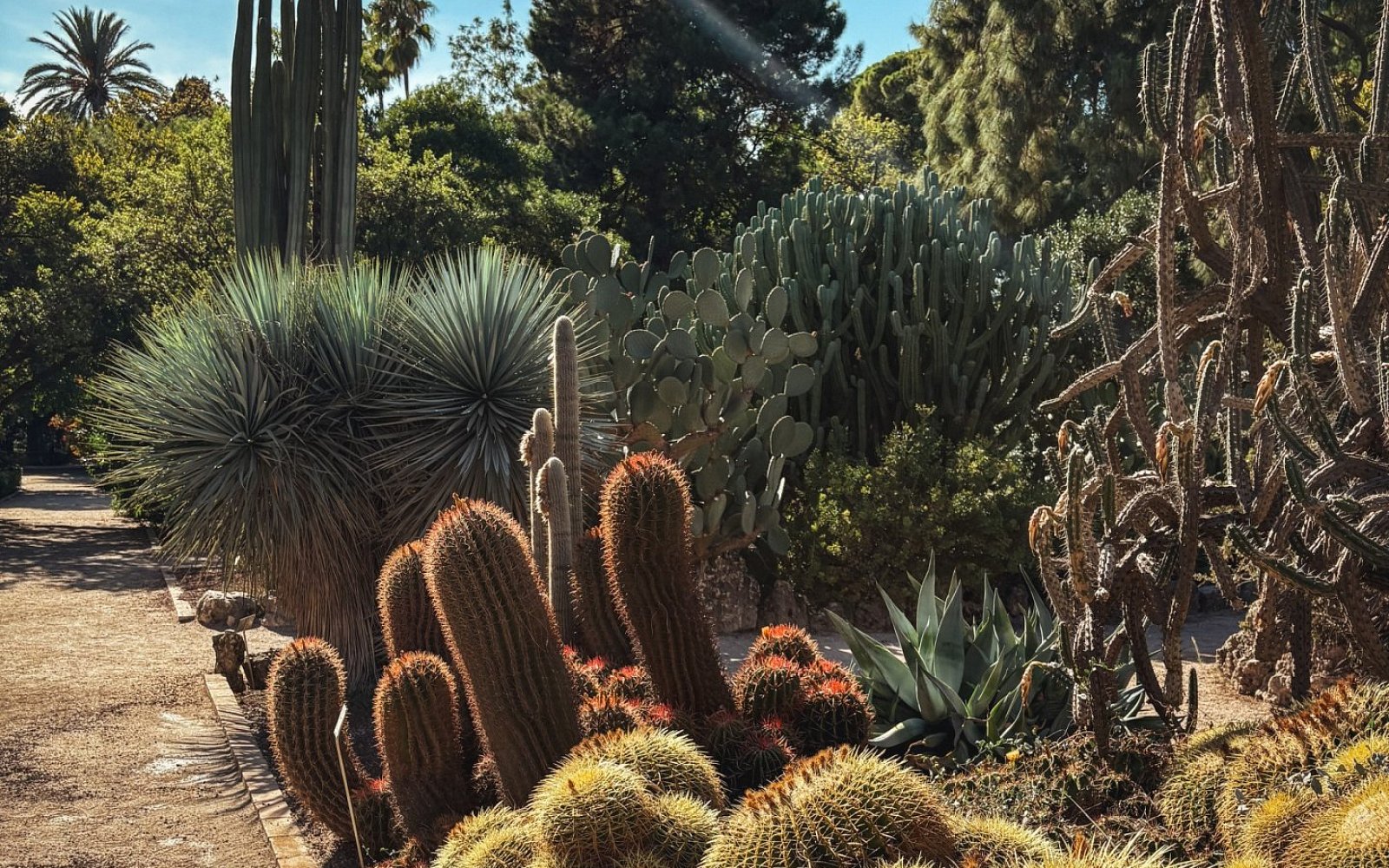
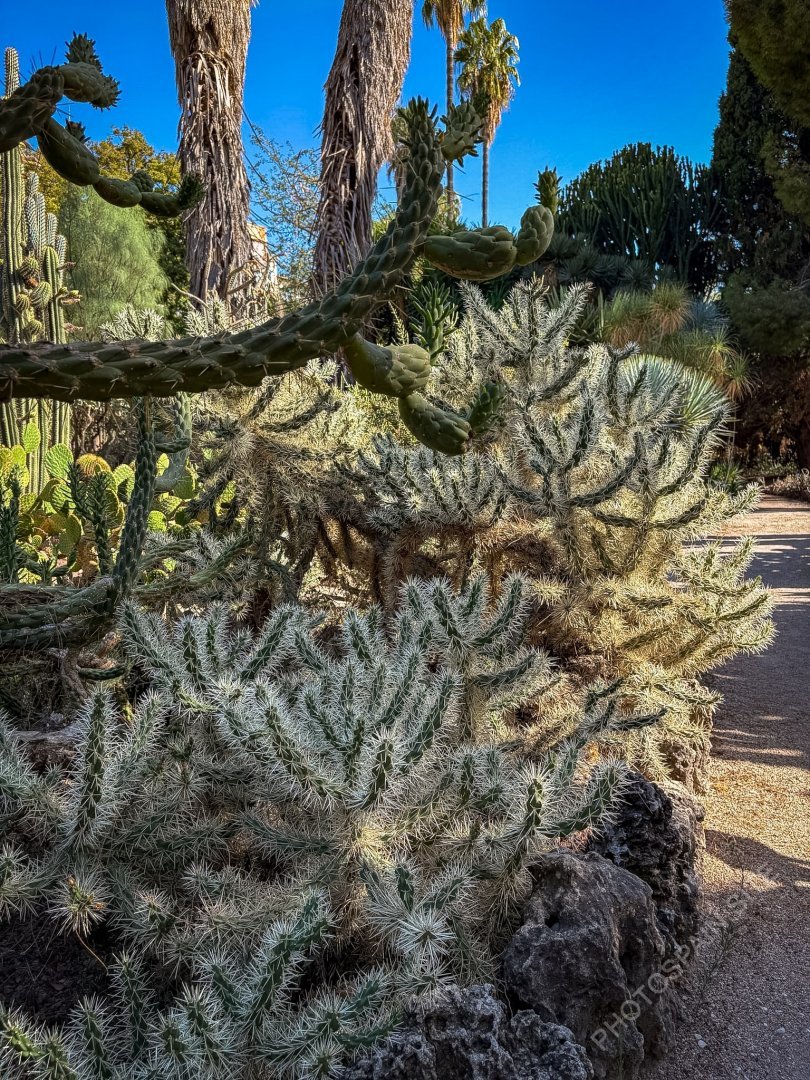
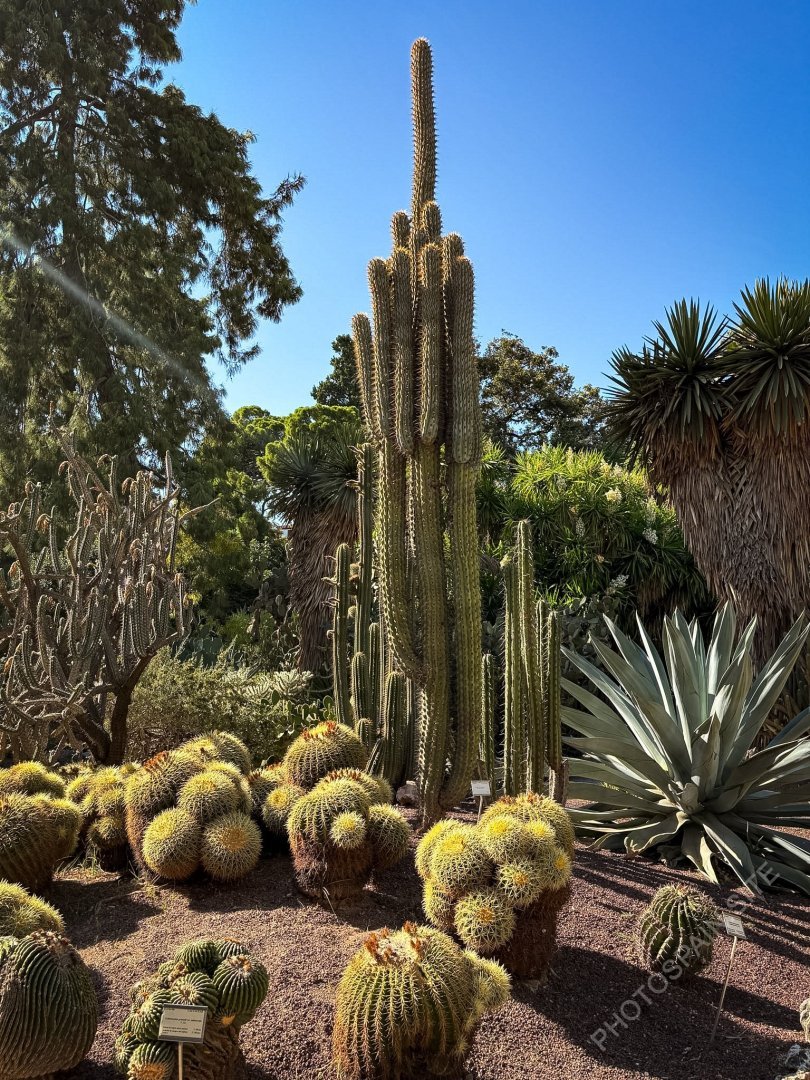
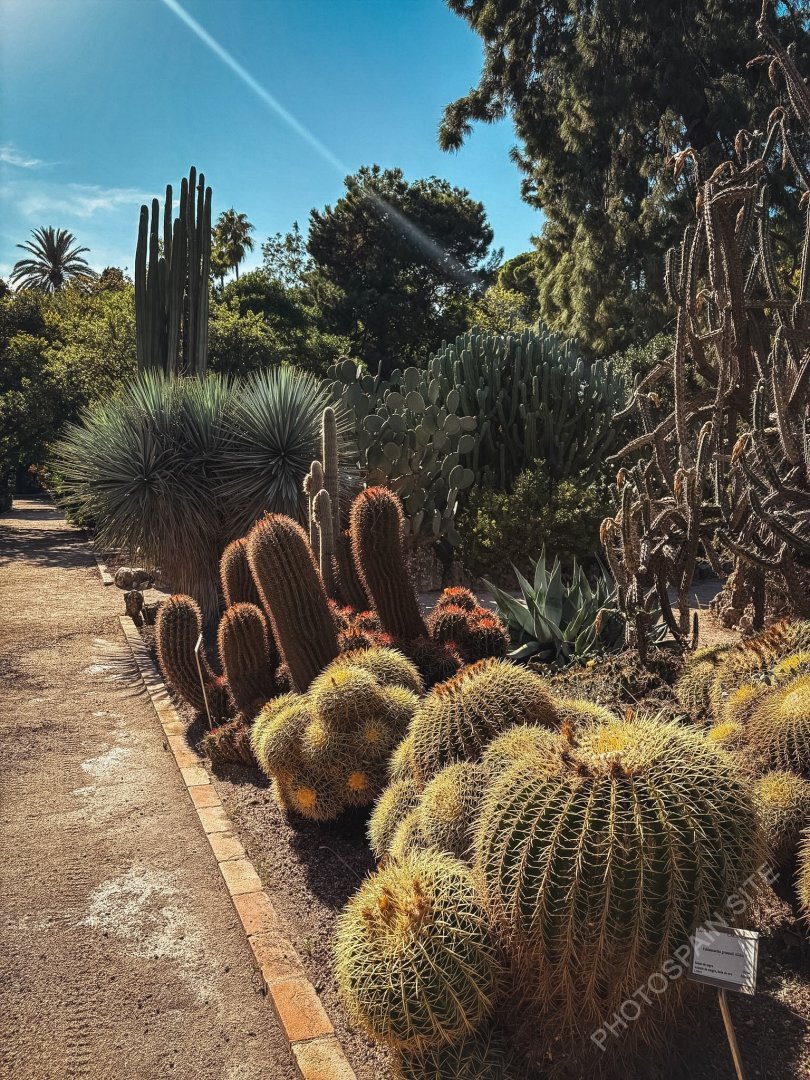
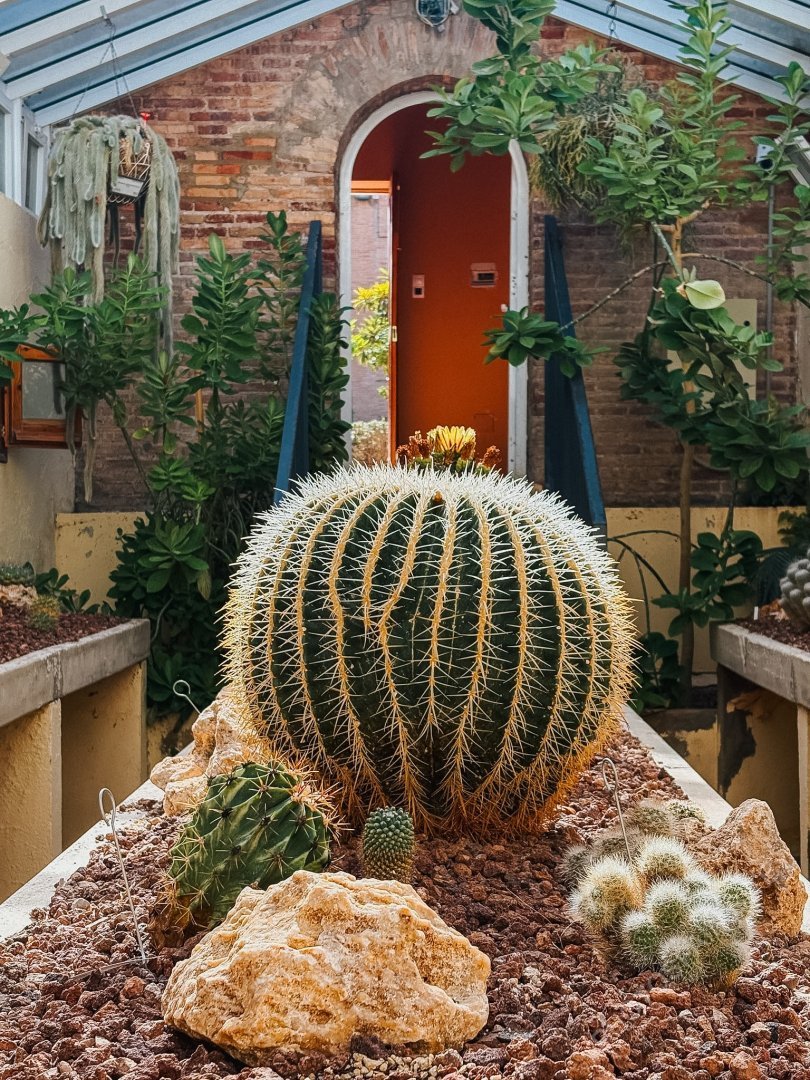
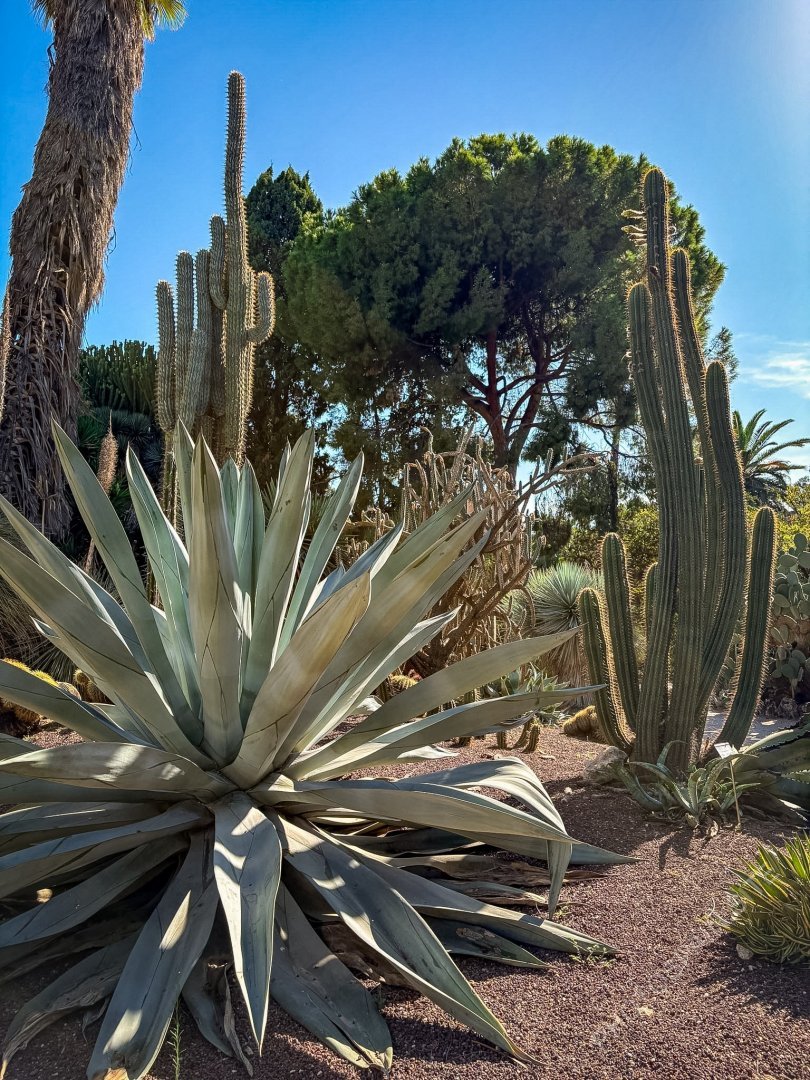
- Cacti and succulents. One of the most photogenic parts of the garden is its collection of cacti and other succulents. Tall cacti, unusual shapes and dense vegetation create an almost desert-like landscape that appears unexpectedly in the middle of Valencia.
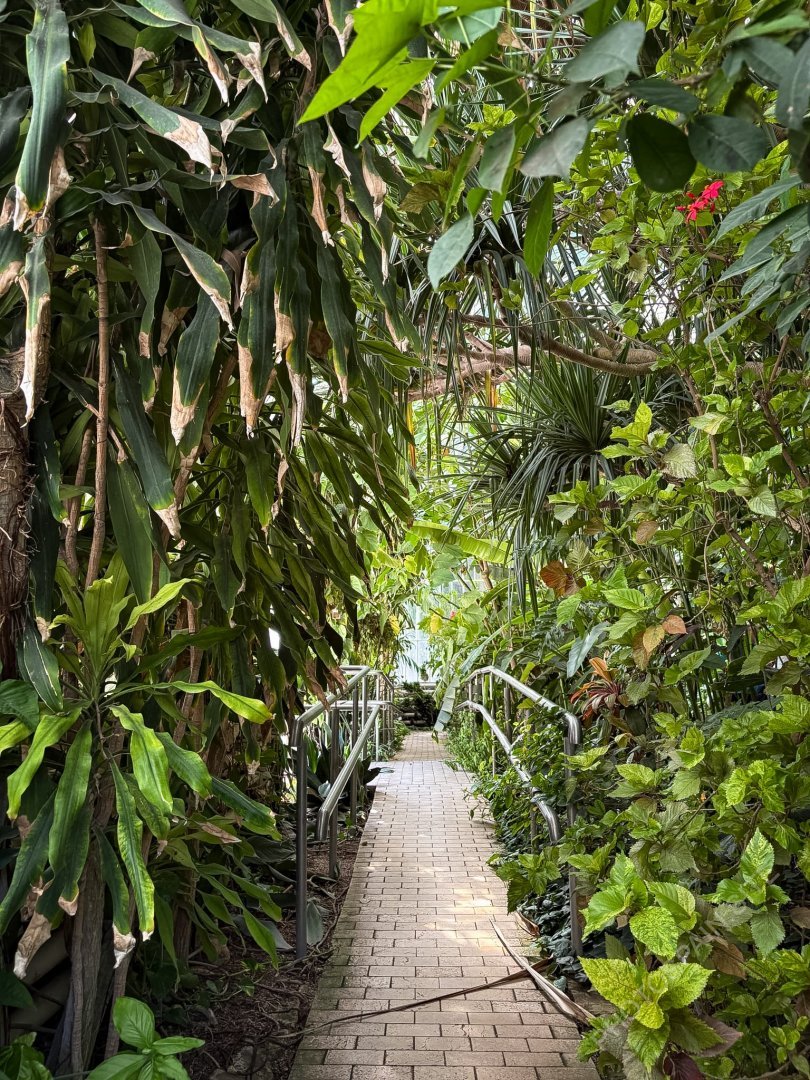
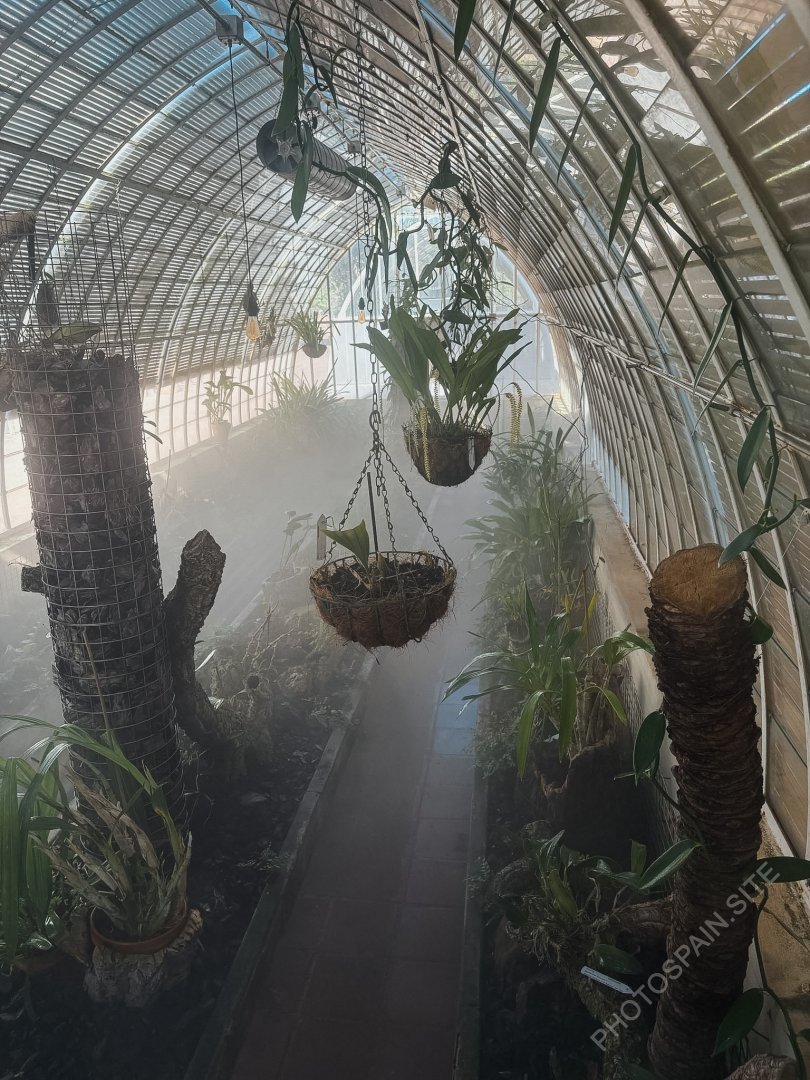
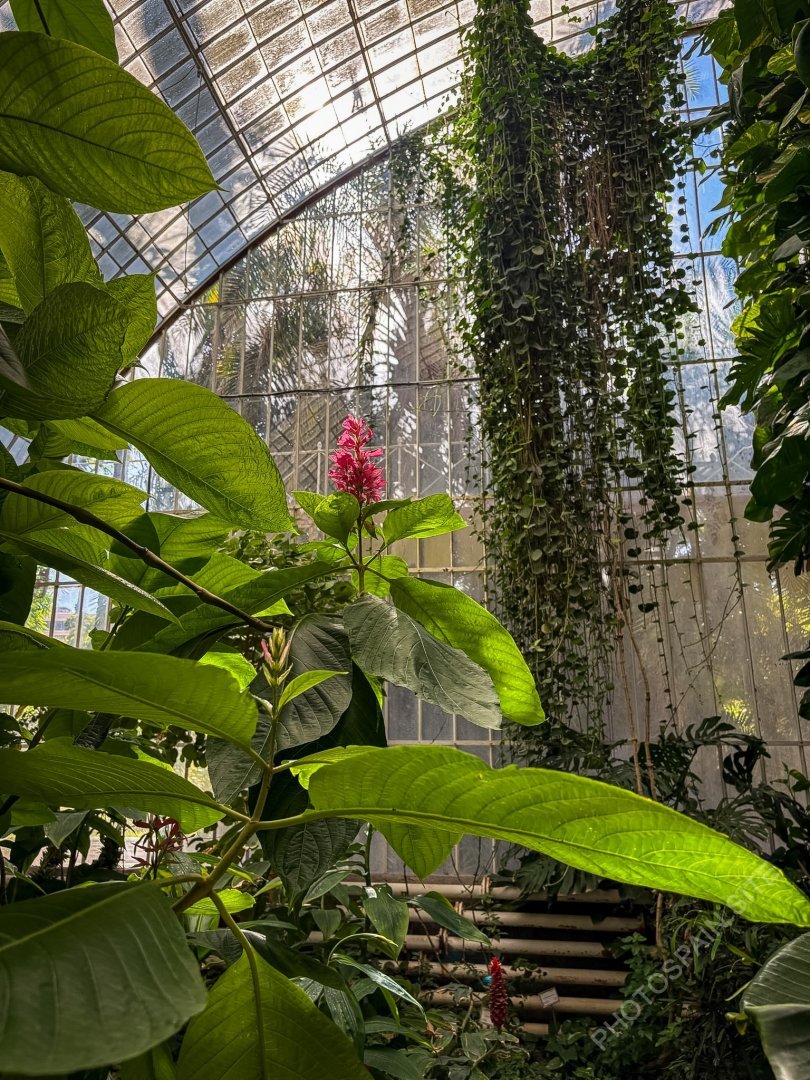
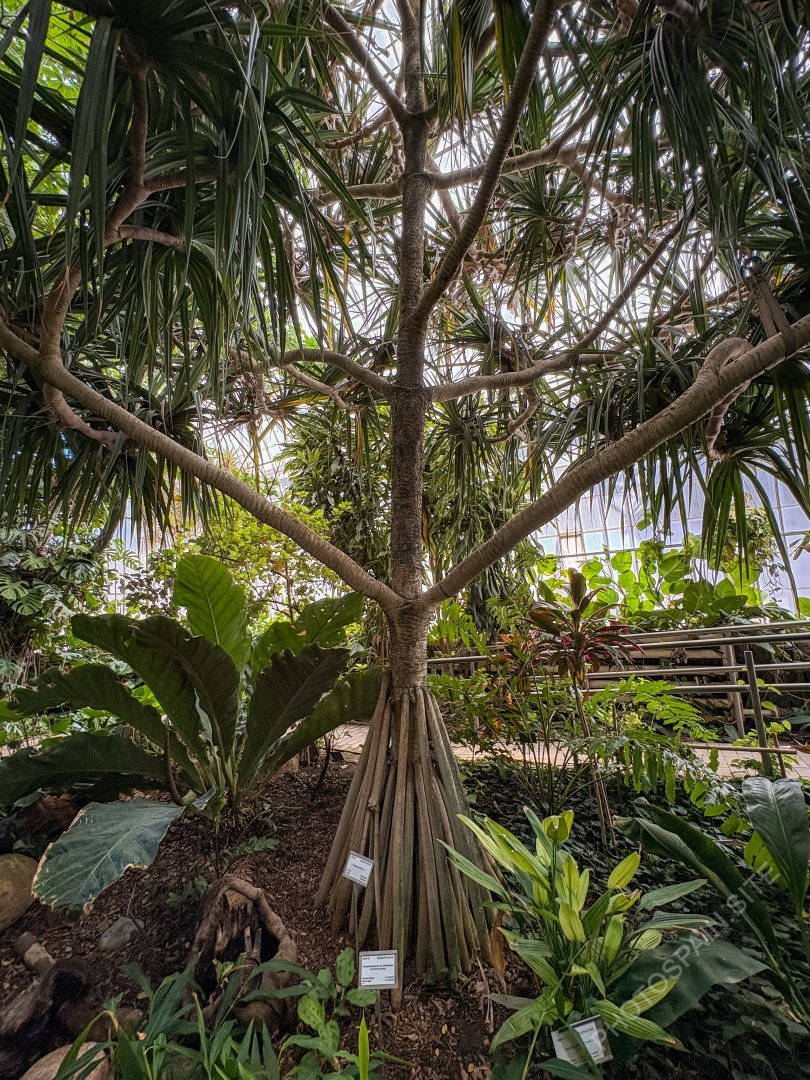
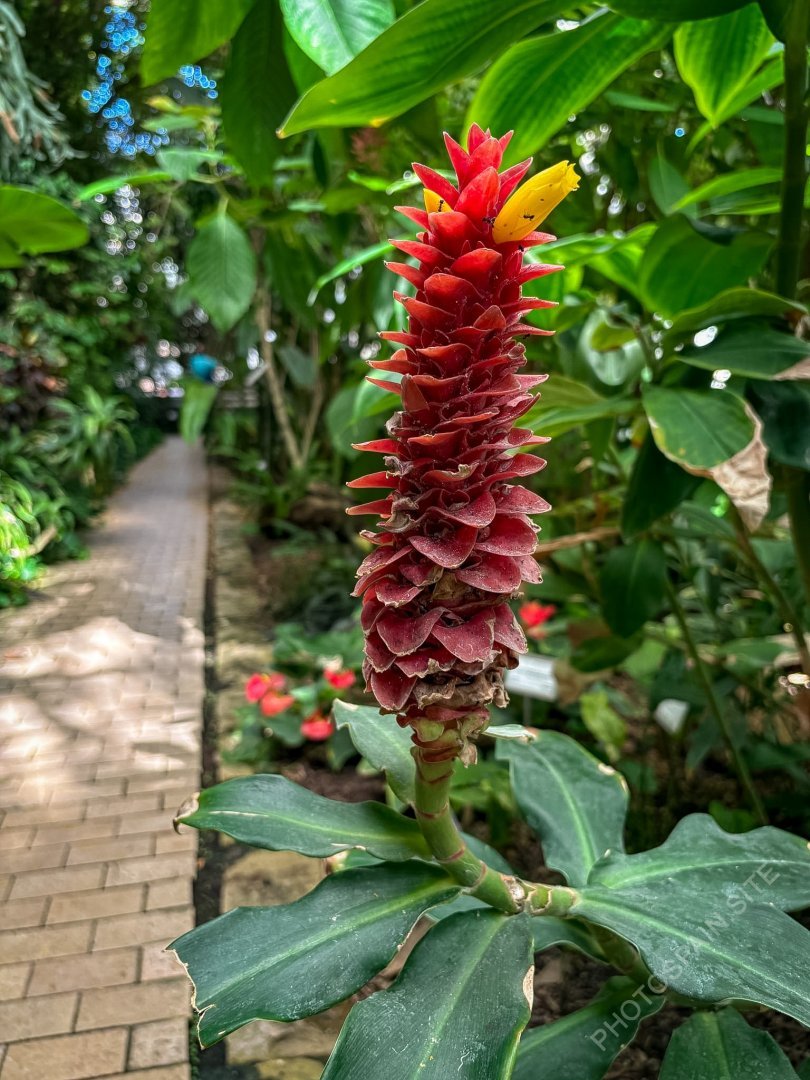
- Tropical plants. The greenhouses are home to plants that would not normally thrive in the Mediterranean climate. They offer a good illustration of just how diverse the plant world is, from humid tropical environments to dry deserts.
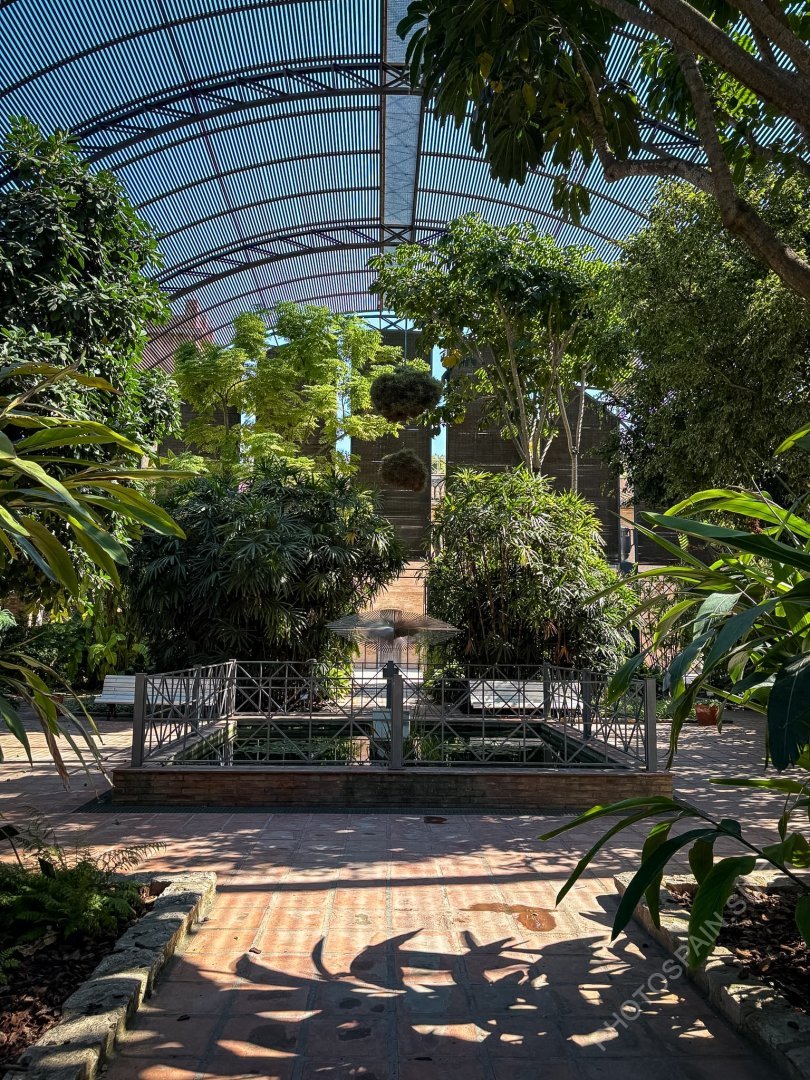
- Historic greenhouses. The old greenhouses are another interesting part of the garden. They do not look like a modern exhibition complex, which is precisely why they fit so well into the atmosphere of this historic botanical garden.
- In addition to its living collections, the garden houses scientific collections and a herbarium. Plants are not grown simply for their beauty: the staff also work on research and the conservation of rare, endemic and threatened species.
A place for a peaceful stroll
The Botanical Garden is not only interesting for people with a particular knowledge of plants. It is a good option for anyone looking to take a break from the architecture and busy tourist centre of Valencia. You can simply stroll along the paths, discover unusual plants, photograph details and old trees, or take a short break during a day of sightseeing.
Is Valencia Botanical Garden worth visiting?
If you have already seen Valencia's main attractions and are looking for something more peaceful, the Jardí Botànic is a good choice. It brings together science, history and nature in one place. You can see plants from different parts of the world, historic buildings and greenhouses, huge trees and collections that exist not only for their aesthetic value but also to preserve botanical heritage.
It is also one of those places in the city where it is pleasant simply to experience a change of scenery: a few minutes ago you were walking along an ordinary city street, and now everything around you is green.
Practical information
Address: Carrer de Quart, 80, Valencia.
Admission: since 1 January 2026, a standard ticket costs €4. A reduced rate of €1.70 is available for certain categories of visitors, while children under 7 can enter free of charge when visiting as part of a family group.
Opening hours: in October, the garden is open from 10:00 to 19:00; from November to February, until 18:00. Opening hours are longer in spring and summer. The garden is closed on 25 December and 1 January and may also close on days of strong winds or heavy rain. It is advisable to check the current opening hours before visiting.
The garden is easy to reach by public transport. The nearest metro stations are Túria and Àngel Guimerà.
Guided tours, educational programmes, exhibitions and other events are also held throughout the year.
Tips before visiting
The Jardí Botànic is close to the historic centre, making it easy to combine with a walk through Valencia's old neighbourhoods. After visiting the garden, you can continue towards the Torres de Quart, the central streets of Valencia or the former Turia riverbed.
If you want to discover a different side of Valencia — greener, quieter and a little unexpected — the Botanical Garden is definitely worth adding to your itinerary.
Valencia Botanical Garden photos
Information
How to get there: On foot
Date of visit: September 2026
GPS coordinates: 39.475621, -0.386319
Price: 4€


