Cartagena
Cartagena: A City of History and Maritime Adventures on the Costa Cálida
Cartagena is a picturesque city in southeastern Spain, located on the Mediterranean coast in the autonomous community of Murcia. With more than 2,000 years of history, Cartagena offers a unique blend of ancient Roman heritage, architectural treasures, and modern Spanish culture. It's an ideal destination for those who want to immerse themselves in history, enjoy the sea, and discover one of Spain's most captivating cultural gems.
The History of Cartagena
Founded by the Carthaginians in 227 BCE under the name "Qart Hadasht," Cartagena has played an important role for centuries as a strategic port and cultural center. Later conquered by the Romans, the city became a key part of the Roman Empire. During this period, Cartagena emerged as one of the leading economic and military centers of Roman Spain.
Throughout its rich history, the city has been home to Phoenicians, Carthaginians, Romans, Visigoths, and Moors — each leaving their mark on Cartagena’s cultural and architectural fabric. During the Middle Ages and beyond, the city retained its strategic importance due to its deep-water port, which is still in use today. Today, Cartagena is a bustling port and popular tourist destination, attracting visitors with its historic legacy and modern charm.
Main Attractions in Cartagena
- Roman Theatre (Teatro Romano): One of the city’s most impressive historical landmarks is the Roman Theatre, built in the 1st century BCE and rediscovered by archaeologists in the late 20th century. It is one of the largest and best-preserved Roman structures in Spain. Now fully restored, the theatre serves as a museum where visitors can explore both the ruins and the artifacts found during excavations.
- Roman Forum (Foro Romano): Located next to the theatre, the Roman Forum offers insights into the daily life of ancient Romans. You can see ruins of Roman baths, temples, and public buildings. Walking paths and museum exhibits help visitors better understand life in ancient Cartagena.
- Castle of La Concepción (Castillo de la Concepción): This medieval castle sits atop a hill, offering panoramic views of the city and port. Built over older structures used for centuries, the castle symbolizes Cartagena’s layered history. Today, it houses a museum detailing the city’s past.
- Naval Museum (Museo Naval): As an important naval port, Cartagena’s maritime history is showcased at this museum. Exhibits include displays on the Spanish navy, naval battles, and shipbuilding history, including models of ships and submarines.
- Calle Mayor: A stroll down Calle Mayor is a great way to experience the charm of Cartagena. This pedestrian street is known for its modernist and neoclassical buildings, stylish shops, cafés, and restaurants. It leads to the Ayuntamiento Square, where the impressive 19th-century city hall is located.
- Batería de Castillitos: History lovers should visit this coastal artillery battery, built in the early 20th century on Cape Cabo Tiñoso. Its massive cannons and breathtaking sea views make for an unforgettable experience.
Culture and Events
Cartagena is known for its festivals and cultural events that attract visitors year-round:
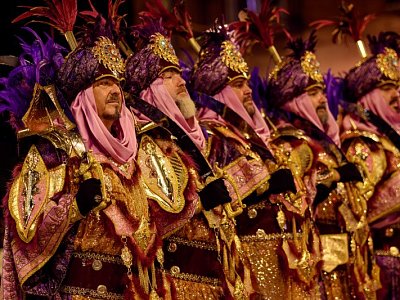
- Carthaginians and Romans Festival (Fiestas de Cartagineses y Romanos): One of the city’s most exciting festivals, held in September. The event features historical reenactments of battles between Carthaginians and Romans, colorful parades, and performances that transport participants back in time.
- International Sailors and Pirates Festival: As an ancient maritime city, Cartagena celebrates its seafaring heritage with this festival dedicated to pirates and naval battles. Participants dress in costumes, and theatrical battles and family-friendly entertainment are held across the city.
- La Mar de Músicas Festival: This annual music festival brings together renowned artists from around the world, performing genres ranging from jazz to Latin rhythms.
Beaches and Coastal Leisure
Cartagena is not only rich in history, but also offers beautiful beaches to relax and enjoy the Mediterranean. On the Costa Cálida, where Cartagena is located, you'll find clean beaches and warm waters. Some of the most popular nearby beaches include:
- Cala Cortina: The closest beach to the city, popular among both locals and tourists. Its crystal-clear waters are perfect for swimming, diving, and snorkeling.
- La Manga del Mar Menor: Just a 30-minute drive from Cartagena, La Manga is a famous resort area formed by a narrow sandbar separating the Mediterranean Sea from the Mar Menor lagoon. The area offers numerous beaches suitable for both relaxation and water sports.
How to Get There
Cartagena is about an hour’s drive from Región de Murcia International Airport, making it accessible to international travelers. The city also has good rail connections to major Spanish cities like Madrid and Alicante, making it convenient for both short visits and longer stays.
Cartagena is a city that captivates with its history, architecture, and cultural diversity. Whether you're interested in ancient Roman ruins, modern museums, scenic beaches, or vibrant festivals, Cartagena offers something for everyone. It’s a destination that will leave a lasting impression and become a highlight of your journey through Spain.
Cartagena photos


Information
How to get there: By public transport
Date of visit: September 2023
GPS coordinates: 37.599272, -0.983971