Volcano Teide
Mount Teide – Tenerife's Most Famous Natural Attraction
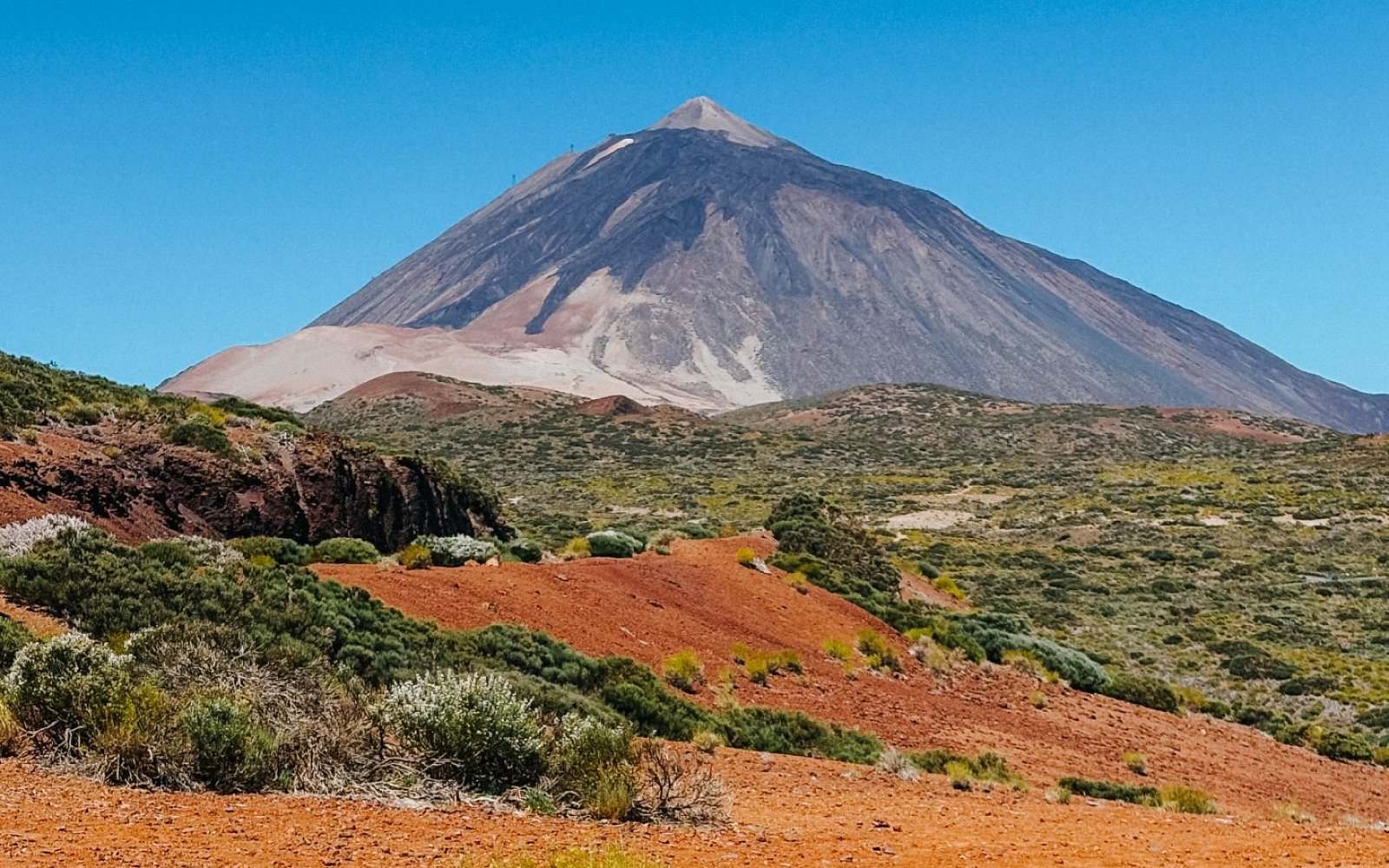
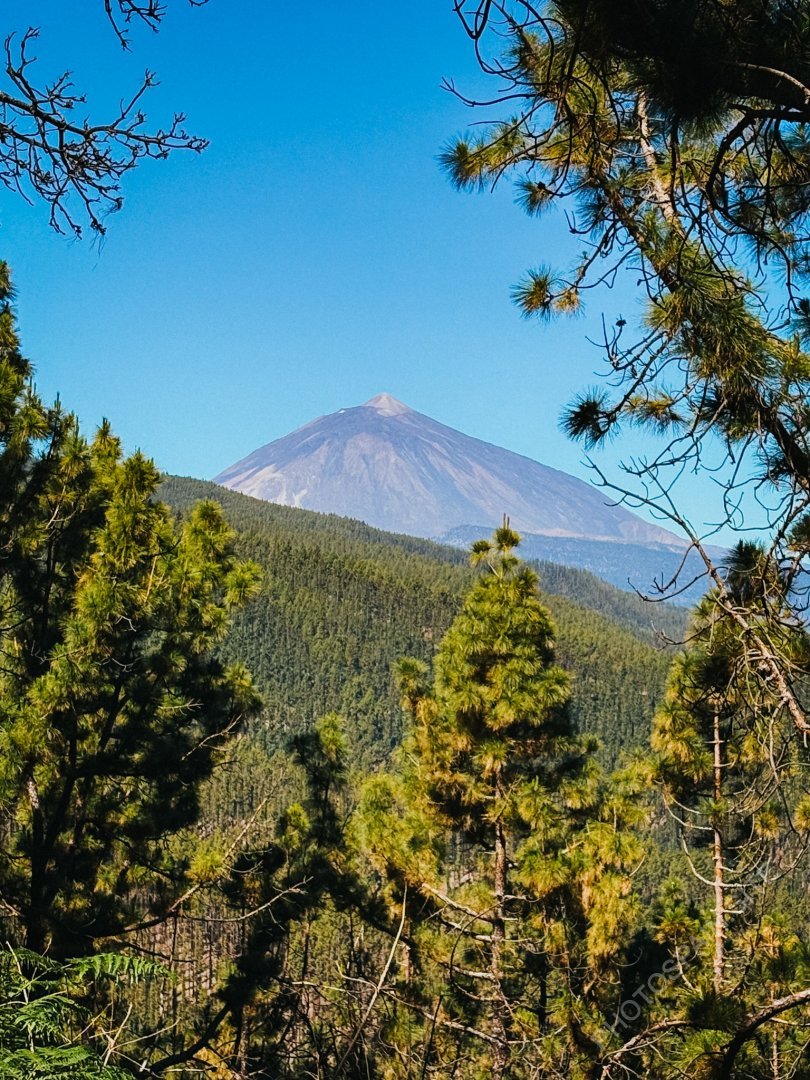
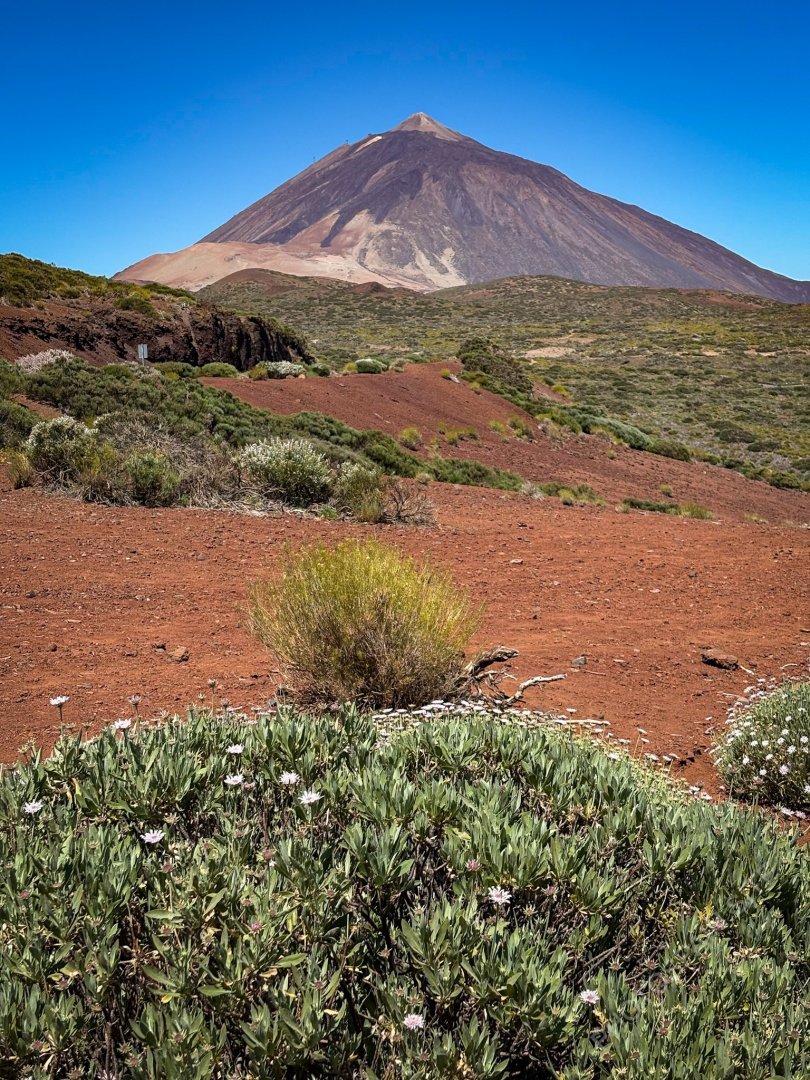
Mount Teide is the symbol of Tenerife and the highest mountain in Spain. Rising to 3,715 metres above sea level, and more than 7 kilometres from its base on the floor of the Atlantic Ocean, it is one of the world's tallest volcanoes by relative height.
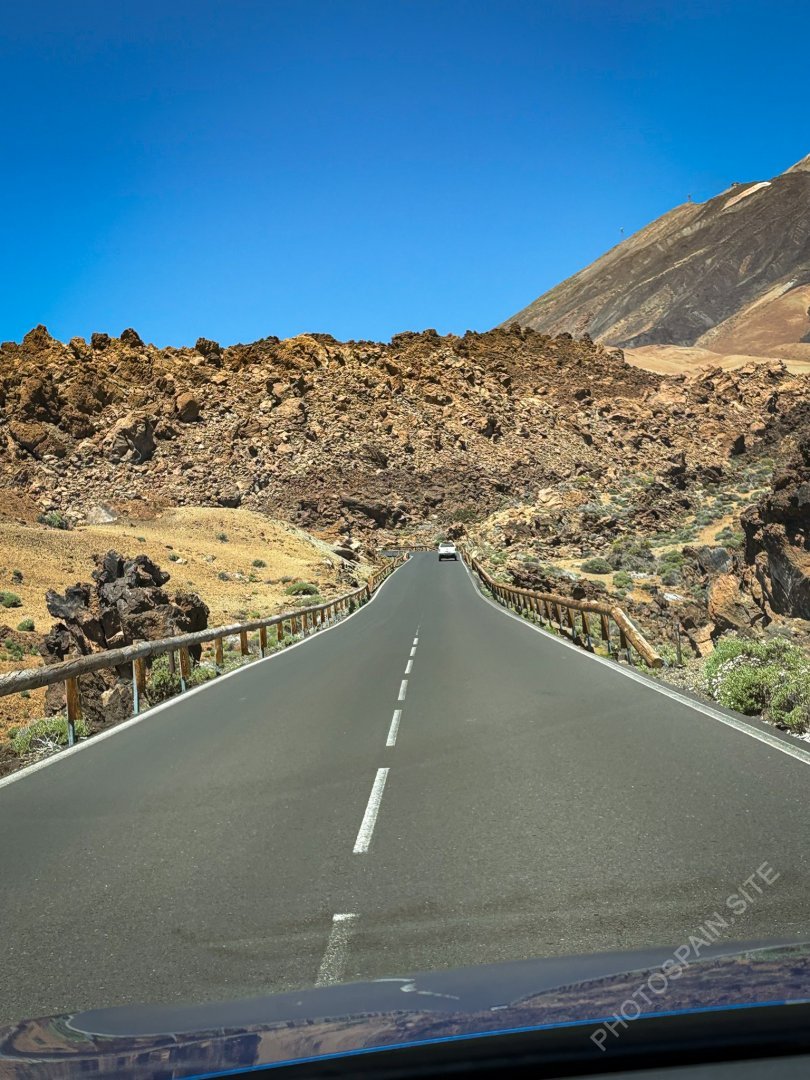
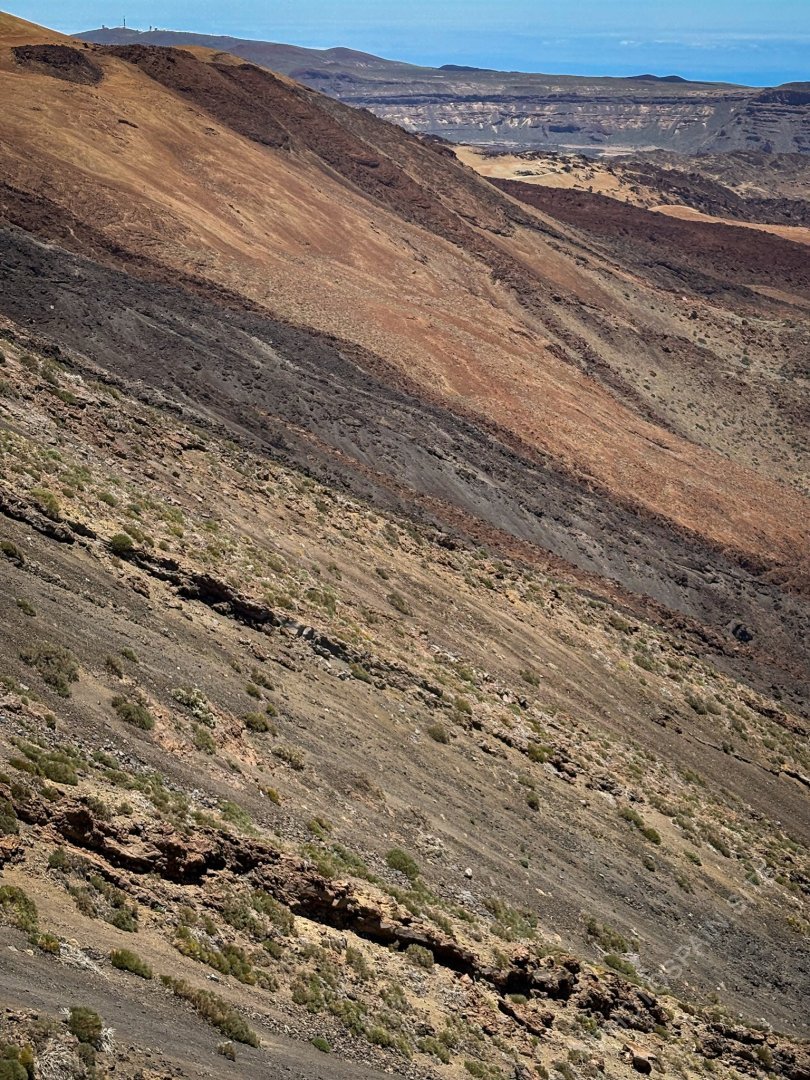
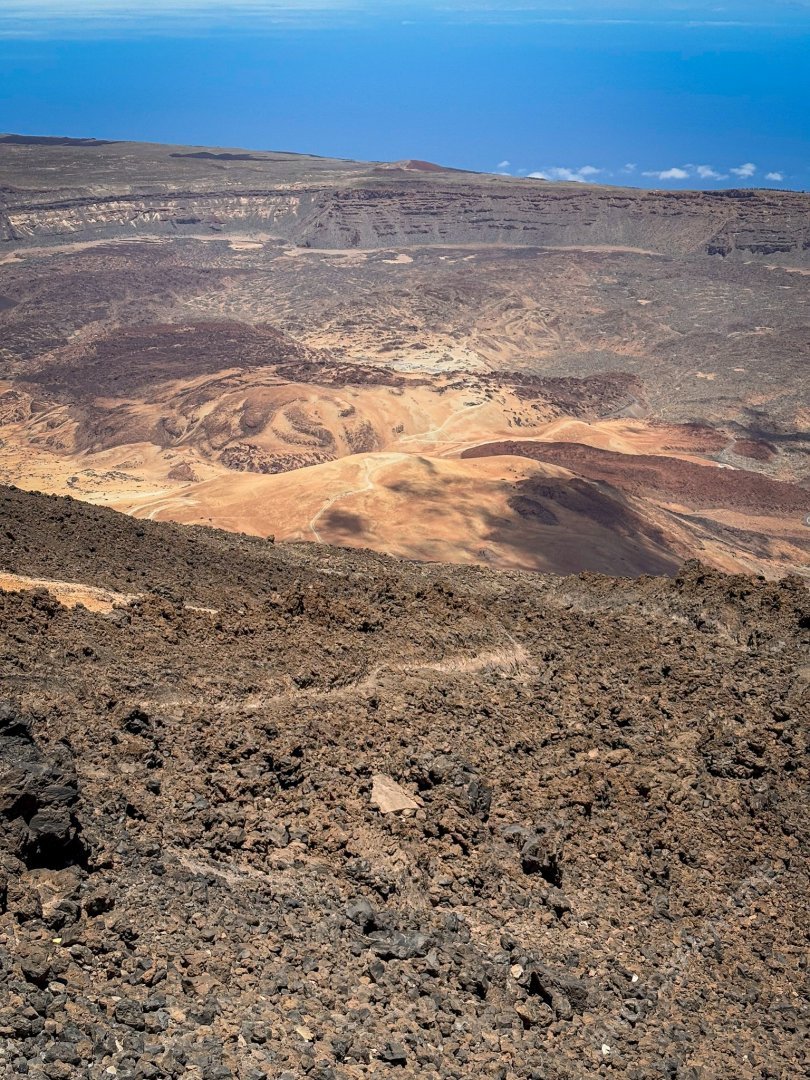
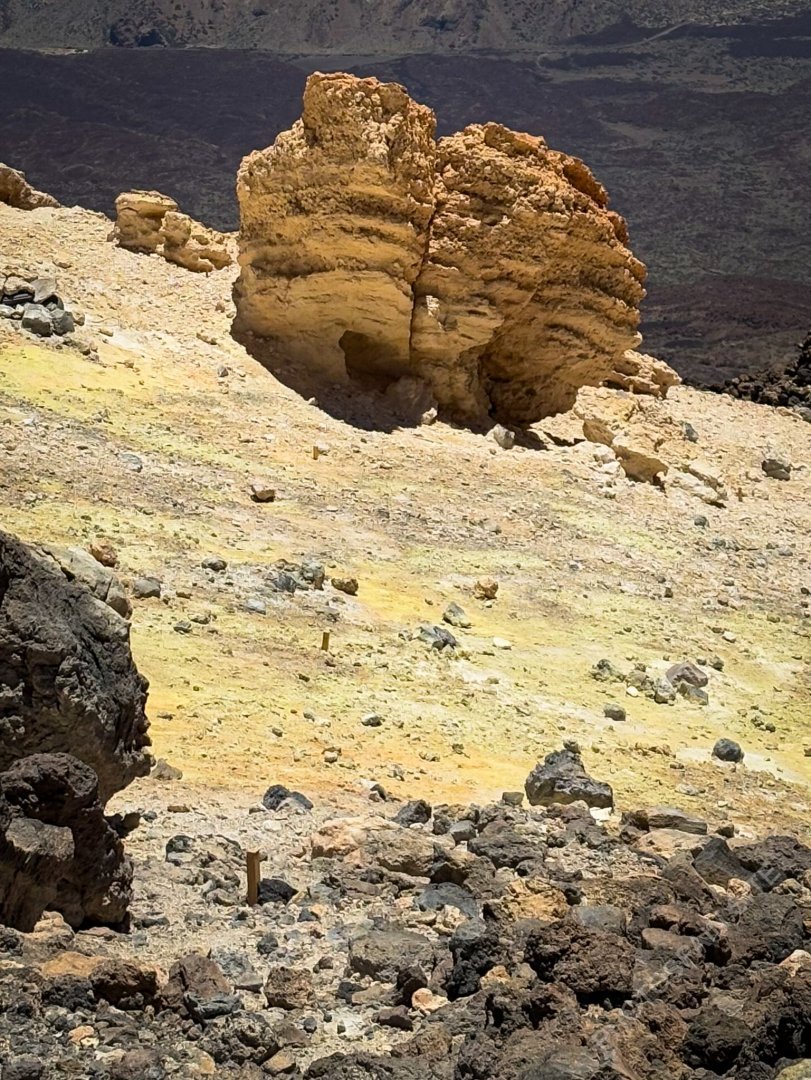
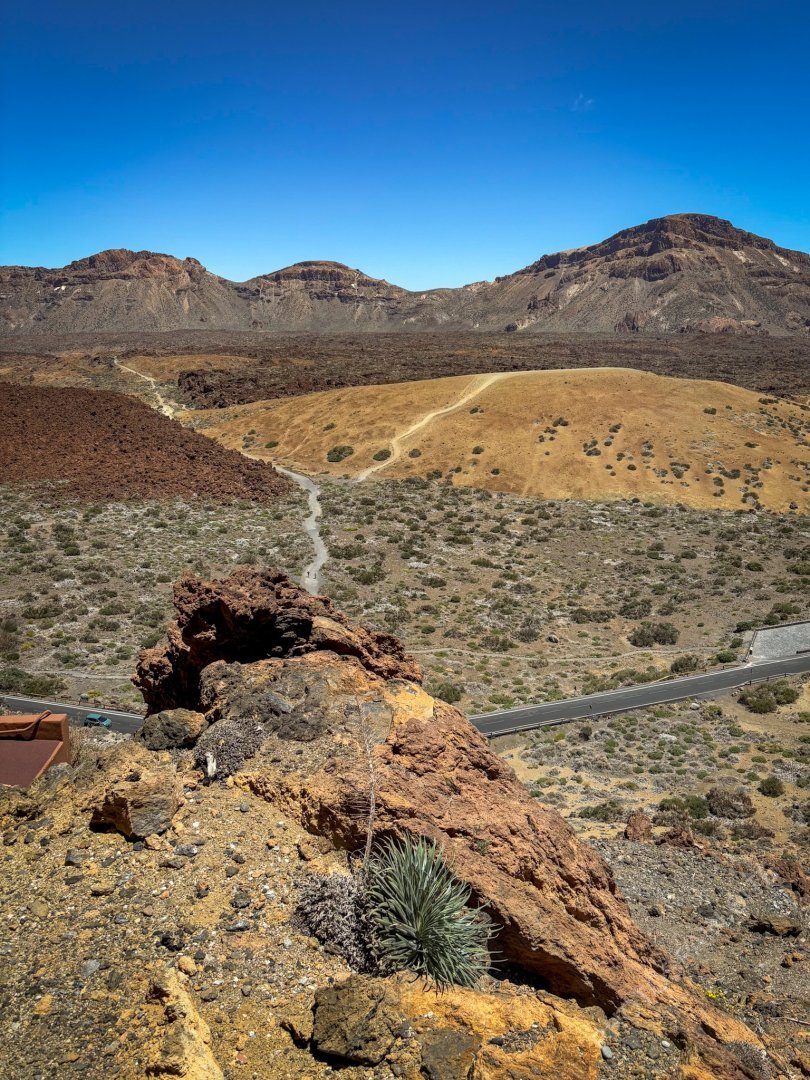
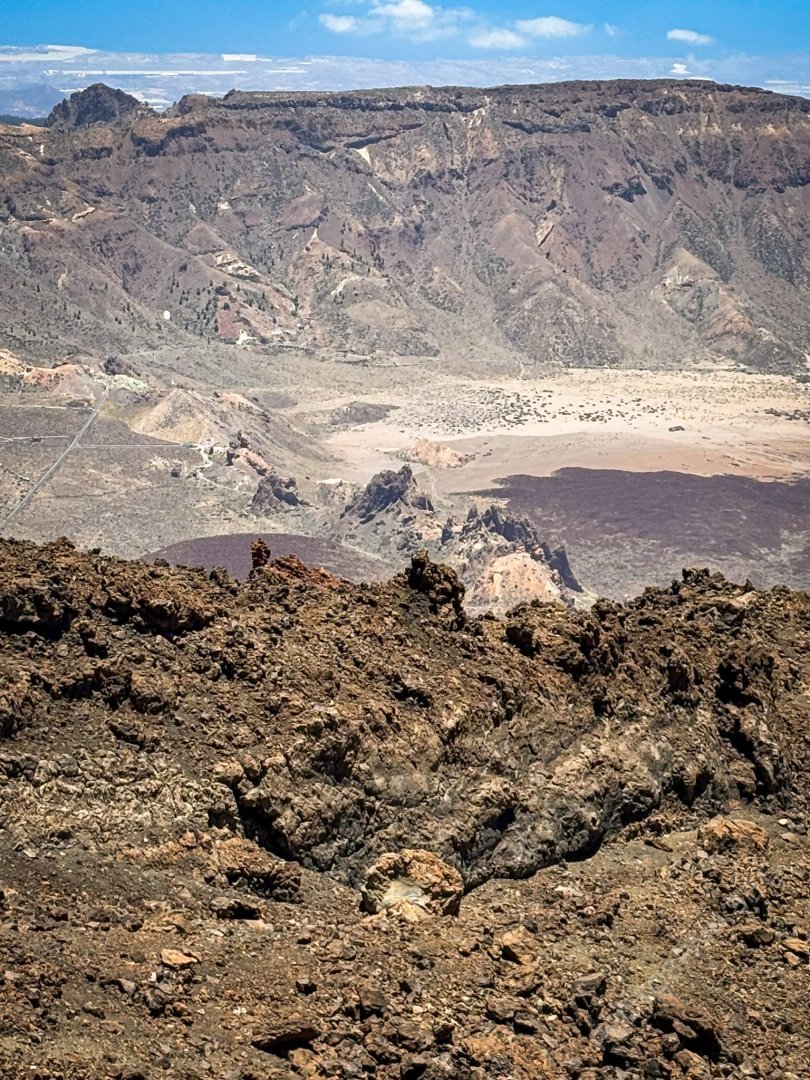
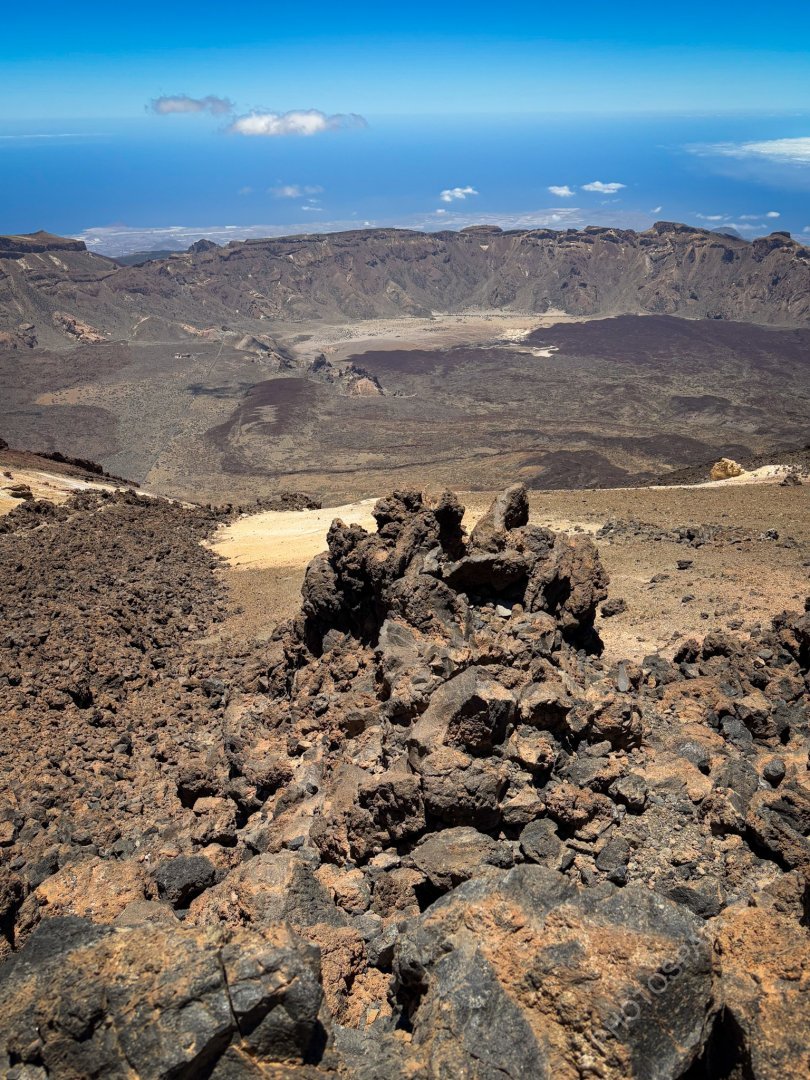
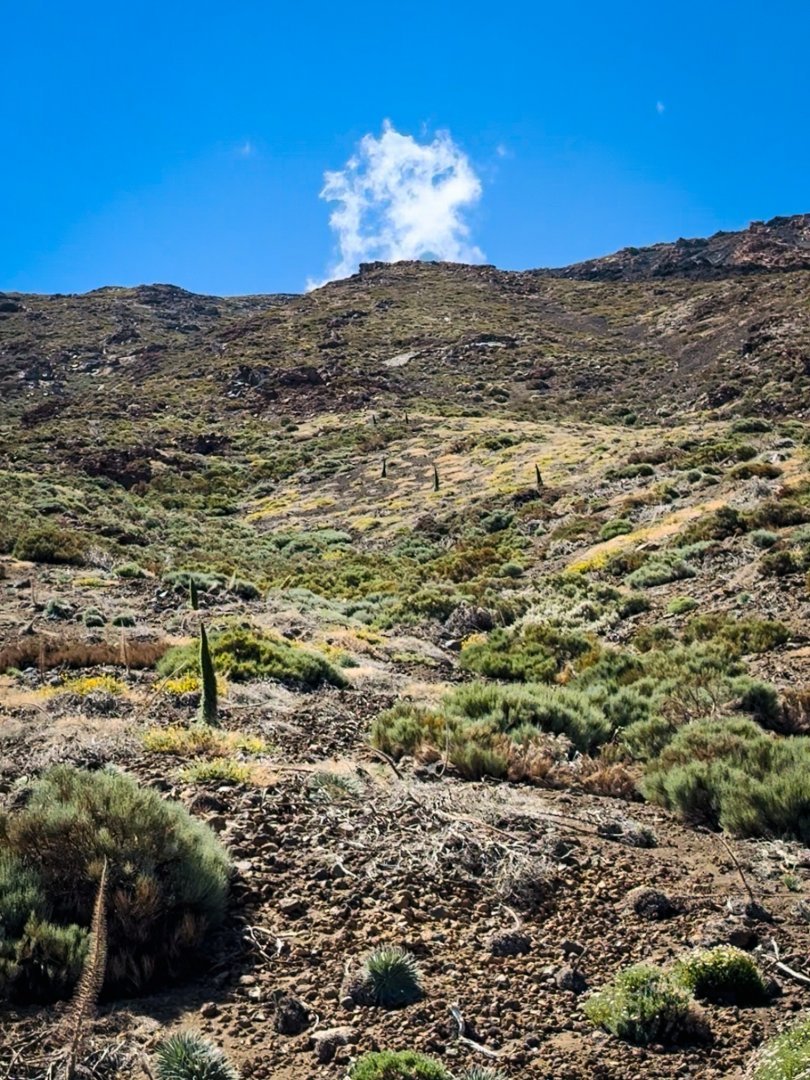
The volcano is located within Teide National Park, a UNESCO World Heritage Site. Visitors can explore vast lava fields, dramatic rock formations, volcanic craters and landscapes that resemble the surface of Mars. For this reason, the area has often been used to test equipment for space missions.
How to Reach the Summit
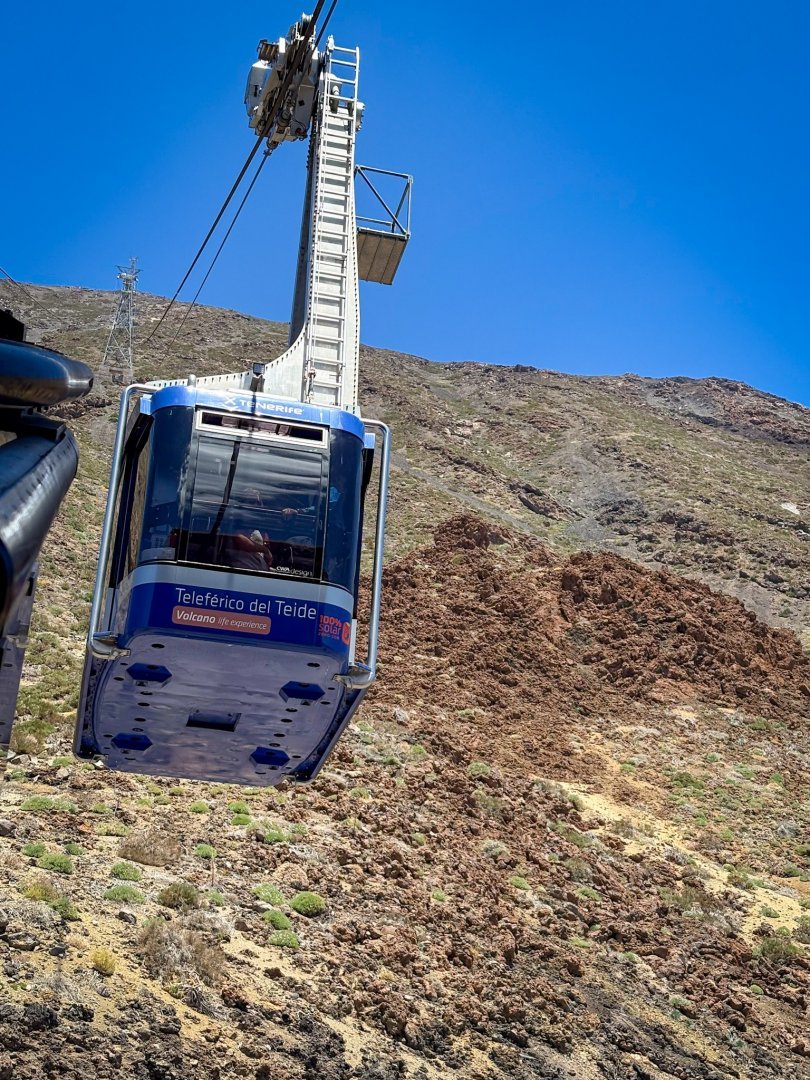
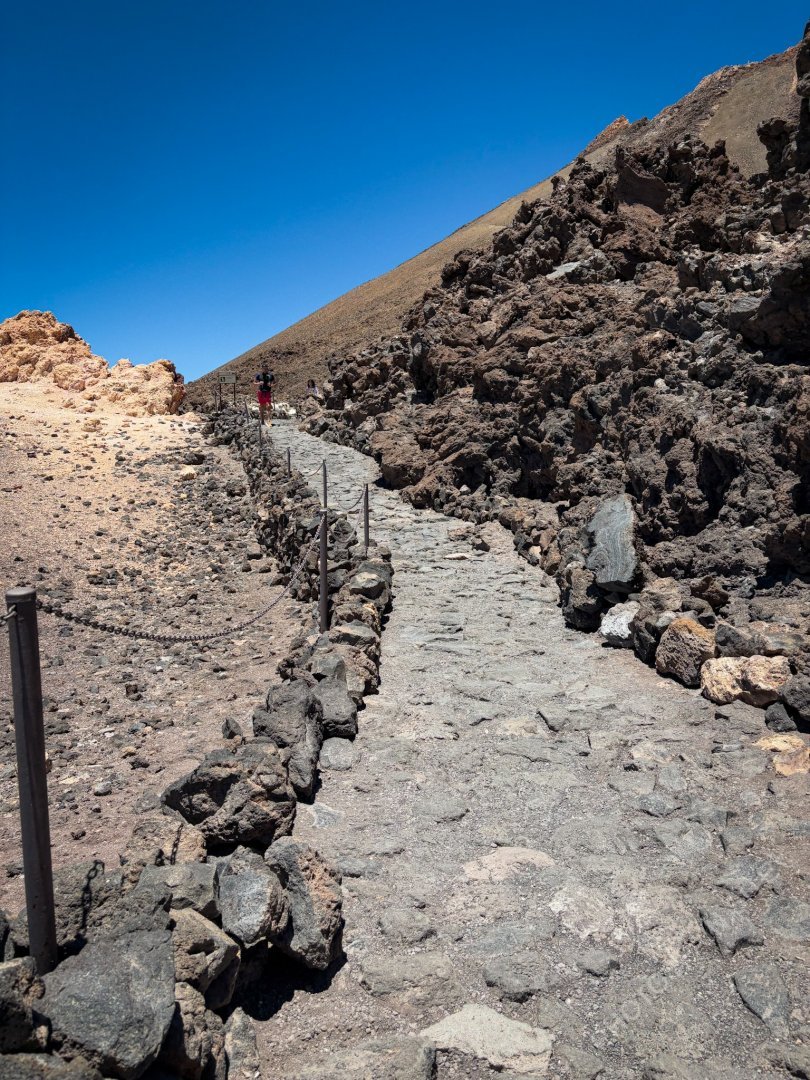
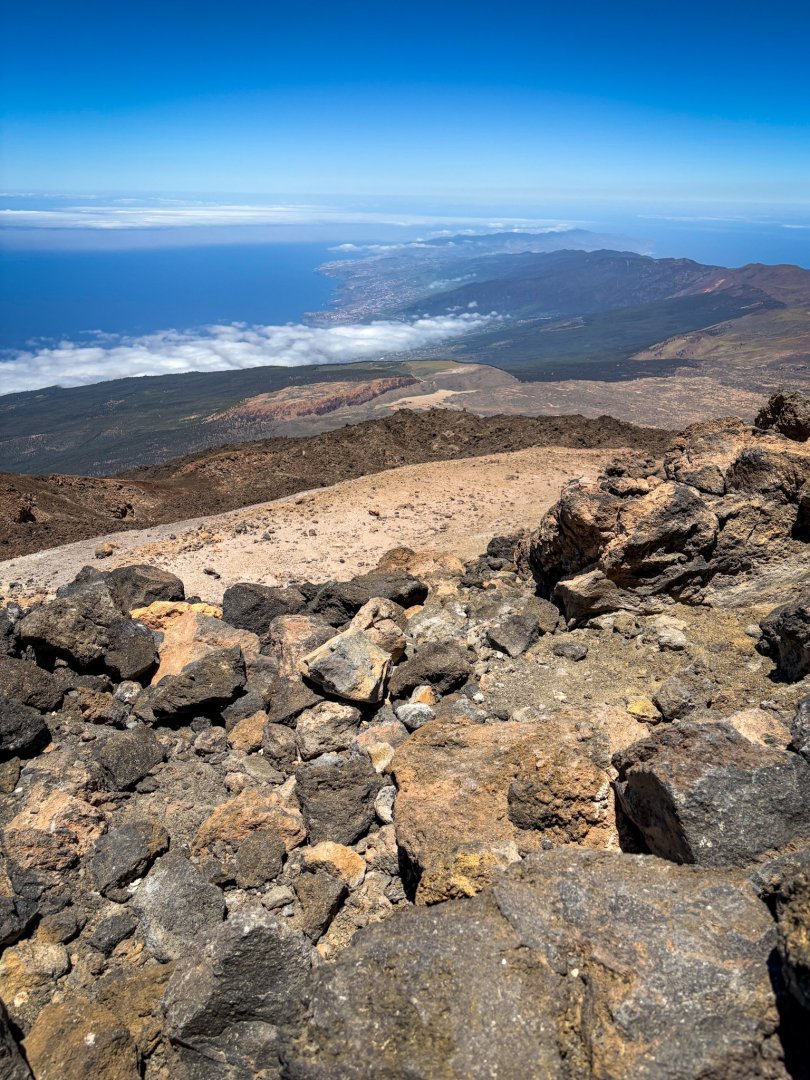
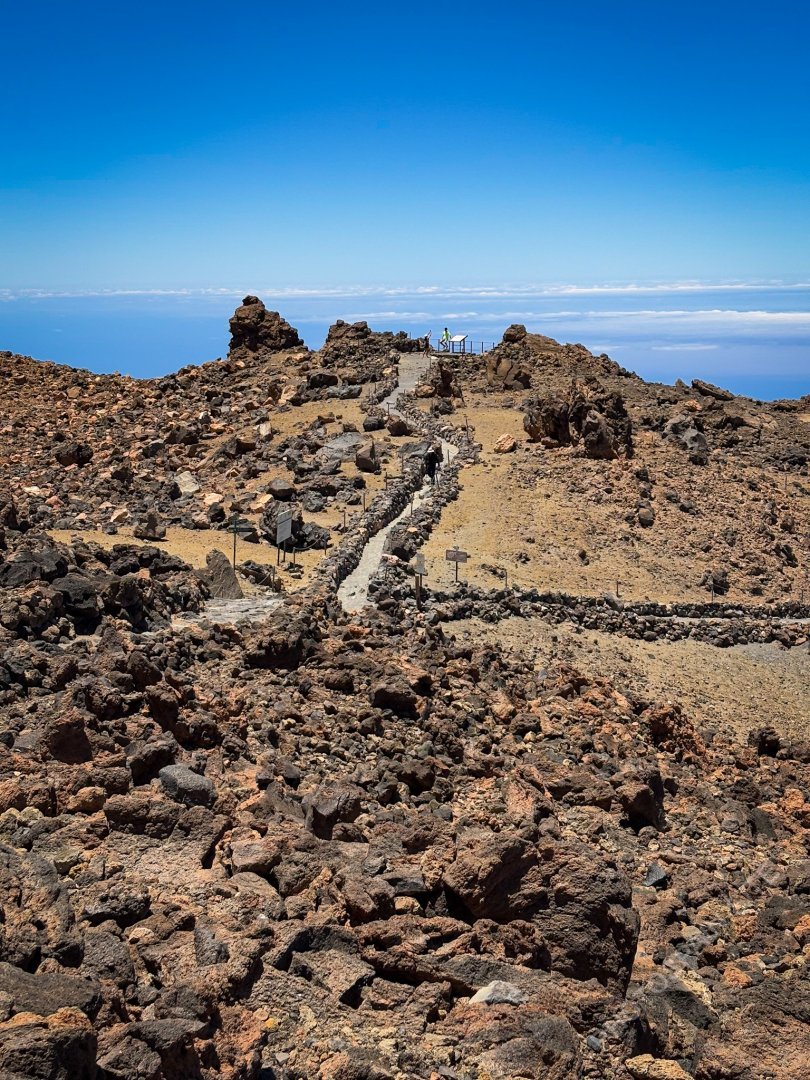
The easiest way to get close to the summit is by cable car, which takes just 8 minutes to travel from 2,356 to 3,555 metres above sea level. Several hiking trails begin at the upper station, offering spectacular panoramic views across the island.
- Trail No. 11 to La Fortaleza viewpoint – overlooks the northern part of Tenerife.
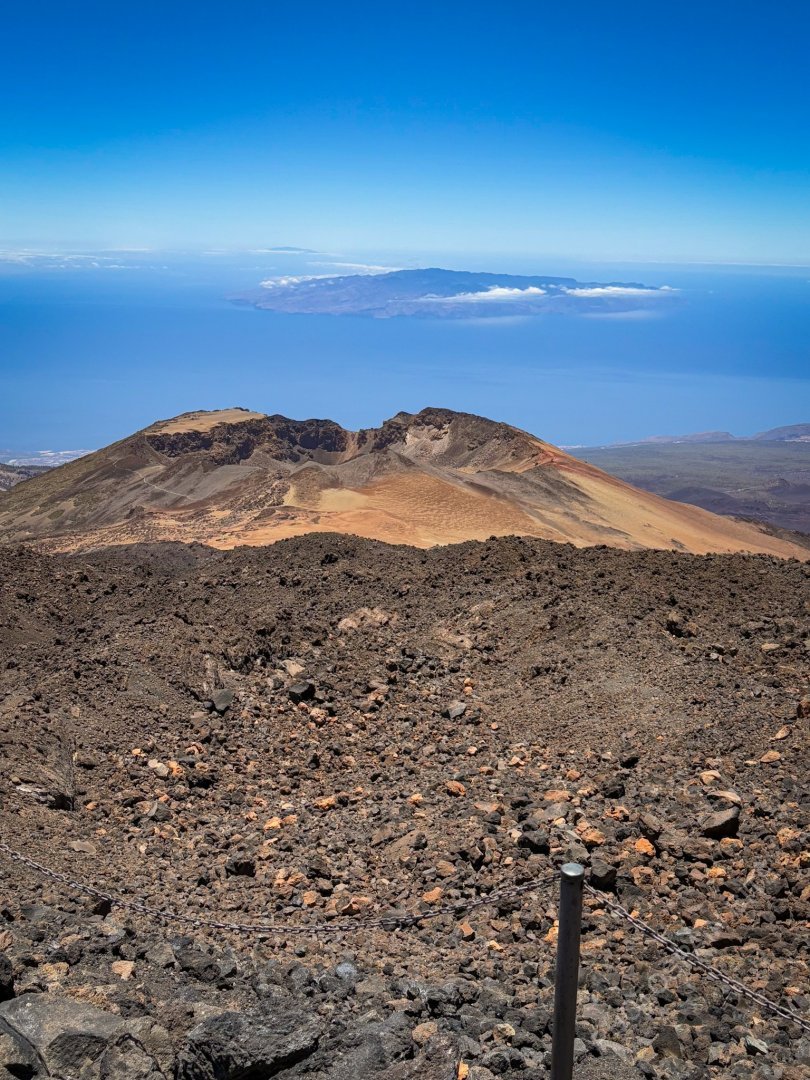
- Trail No. 12 to Pico Viejo viewpoint – offers stunning views of the enormous Pico Viejo crater and southern Tenerife. It is considered the most impressive walk from the upper cable car station.
- Trail No. 10 (Telesforo Bravo) to the summit – access is restricted, a permit is required, and the checkpoint is located at the beginning of the trail.
Experienced hikers can also reach the summit on foot via the Montaña Blanca trail. The ascent takes around 5–7 hours and requires a good level of fitness.
To access the very top of Mount Teide via the Telesforo Bravo trail, a free permit must be obtained in advance, as the number of daily visitors is limited.
What to See Nearby
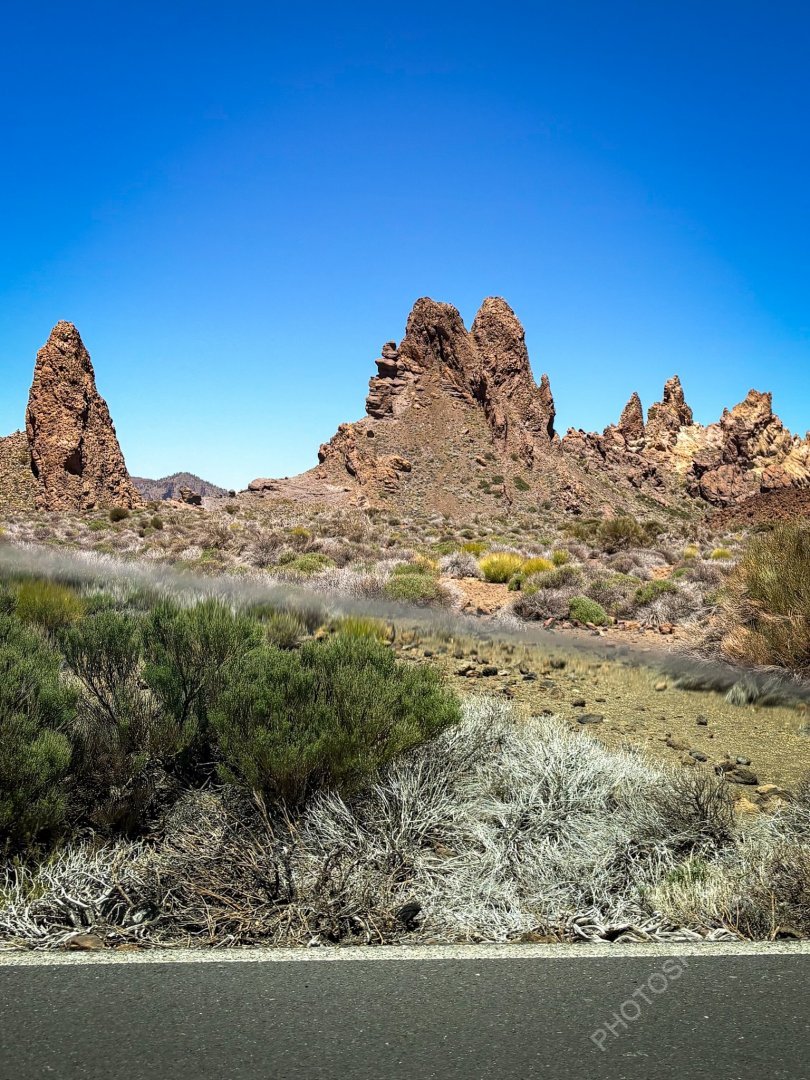
Even without climbing to the summit, Teide National Park offers breathtaking scenery. Highlights include:
- Roques de García;
- the famous Roque Cinchado rock formation;
- vast lava fields;
- numerous viewpoints overlooking the volcano.
Almost every road through the national park reveals a different and unforgettable volcanic landscape.
Best Time to Visit
Mount Teide can be visited year-round. Summers are usually sunny, spring brings colourful endemic flowers, and in winter the summit is often covered with snow. Before your trip, check the weather forecast, as the cable car may temporarily close due to strong winds.
Useful Tips
Even if it's hot on the coast, temperatures at higher elevations can be much cooler. Bring warm clothing, water, sunscreen and comfortable walking shoes. If you plan to ride the cable car or hike to the summit, it's best to book your tickets and permit well in advance.
Interesting Facts
- Mount Teide is the highest point in Spain.
- More than 4 million people visit Teide National Park every year.
- On clear days, several Canary Islands can be seen from the summit.
- At sunrise, Mount Teide casts one of the world's longest shadows over the sea, forming an almost perfect triangle across the Atlantic Ocean.
Is Mount Teide an Active Volcano?
Although it appears peaceful today, Mount Teide is still considered an active volcano. Its last eruption occurred in 1909 from the nearby Chinyero vent. The volcano remains under constant scientific monitoring and occasionally releases volcanic gases.
Visiting Mount Teide is one of the highlights of any trip to Tenerife. Even without reaching the summit, a drive through the national park offers some of the most spectacular volcanic landscapes found anywhere in Spain.
Volcano Teide photos
Information
How to get there: By any car
Date of visit: June 2026
GPS coordinates: 28.273055, -16.642594
Price: The cable car - €50, everything else is free.