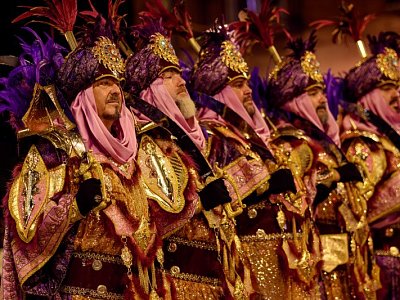
Holy Week
Semana Santa in Spain: Passion, Faith, and Ancient Traditions
Semana Santa — or Holy Week — is one of the most powerful and emotional celebrations in Spain. Held during the final week before Easter, it commemorates the last days of Jesus Christ’s life. For visitors, it's a unique chance to experience Spain through a mystical, solemn, and deeply spiritual lens.
What Is Semana Santa?
Semana Santa consists of a series of religious processions held across cities and villages throughout Spain. These are organized by brotherhoods (called cofradías or hermandades), some of which date back several centuries.
The highlight of each procession is the “paso” — a large wooden float adorned with dramatic sculptures depicting scenes from the Passion of Christ, the Virgin Mary, or themes of sorrow and forgiveness. Many of these artworks are masterpieces in their own right.
Some pasos weigh up to 3 tons and are carried on the shoulders of dozens of “costaleros”. They move in perfect rhythm using a distinctive swaying gait known as the “mecida”, creating a mesmerizing, almost breathing effect that takes immense strength and coordination.
The Penitents (Nazarenos and Penitentes)
Another striking image of Semana Santa is the nazarenos — penitents dressed in long robes and pointed hoods (capirotes) that conceal their faces in a gesture of humility. Their solemn silence is deeply symbolic.
Some walk barefoot, chained, or carrying heavy crosses or candles as a form of penance. Their slow, quiet steps add to the profound, sacred atmosphere of the event.
The Role of Music
Following each procession are marching bands featuring trumpets, drums, and other wind instruments.
Drums play a central role — their deep, steady rhythm conveys sorrow, tension, and solemnity. The music is often slow and mournful, echoing the suffering of Christ.
In cities like Seville and Málaga, the combination of music, candlelight, and the gentle swaying of the floats creates a powerful and almost hypnotic experience for viewers.
Where to Experience Semana Santa
- Seville – The most famous celebration with grand processions and dozens of brotherhoods.
- Málaga – Known for its massive floats and military-style bearers.
- Granada & Córdoba – More intimate and emotional processions in stunning historic settings.
- Lorca (Murcia) – Unique for its theatrical, biblical performances during the parades.
Tips for Tourists
- Arrive early — good viewing spots fill up well in advance.
- Be respectful — this is a deeply religious event, not just a spectacle.
- Dress modestly — a sign of respect for local traditions.
- Prepare for long walks — some processions last 6–8 hours.
- Cost — Watching the processions is free. To participate as a member, you must join a brotherhood. Membership and costume costs vary by city and range from €150–€400.
Why You Should See Semana Santa
Semana Santa is not just a religious holiday — it's a moving spectacle of faith, strength, and beauty.
Every drumbeat, every step, and every swaying float reflects the profound connection between the Spanish people and their history, culture, and beliefs.
Witnessing Semana Santa is truly a way to touch the soul of Spain.
Holy Week photos


Information
How to get there: On foot
Date of visit: April 2025
GPS coordinates: 37.977940, -0.682828
Price: free